As the future unfurls its vibrant tapestry, the world of fashion in Europe 2026 promises an exhilarating blend of innovation, artistry, and conscious evolution. Imagine a landscape where cutting-edge technology intertwines seamlessly with timeless craftsmanship, and where every garment tells a story of both individual expression and global responsibility. Europe, a continent long celebrated as the epicenter of style, is poised to redefine elegance, pushing boundaries while simultaneously embracing a profound commitment to sustainability. Get ready to dive into a future where fashion in Europe 2026 isn’t just about what you wear, but what it represents – a harmonious balance of beauty, ethics, and groundbreaking creativity.
The Shifting Tides of European Fashion: A Glimpse into 2026
The trajectory of European fashion has always been dynamic, a constant ebb and flow of influences, innovations, and cultural shifts. As we look towards 2026, this dynamism is set to accelerate, driven by a confluence of technological advancements, heightened environmental awareness, and an increasingly globalized consumer base. The traditional seasonal cycles are giving way to a more fluid, demand-driven approach, where authenticity and transparency are paramount.
The core identity of fashion in Europe 2026 will be characterized by a fascinating paradox: a renewed appreciation for heritage and artisanal techniques, coupled with an audacious embrace of digital realms and material science. From the bustling streets of London to the sophisticated ateliers of Paris and the vibrant runways of Milan, designers are not just anticipating the future; they are actively shaping it, creating collections that speak to a generation eager for both profound meaning and unparalleled aesthetics.
Sustainability Takes Center Stage: The Ethical Imperative
Perhaps the most significant and defining aspect of fashion in Europe 2026 will be its unwavering commitment to sustainability. What was once a niche concern has evolved into a fundamental pillar, influencing every stage of the fashion supply chain from design to disposal. Consumers, especially the discerning Gen Z and Millennials, are increasingly demanding transparency and ethical practices, forcing brands to innovate at an unprecedented pace.
Circular Fashion: Beyond Recycling
By 2026, the concept of circular fashion will move beyond simple recycling, becoming deeply ingrained in the industry’s ethos. Expect to see widespread adoption of innovative business models like garment rental, subscription services, and sophisticated repair and upcycling programs. Brands will design products with their end-of-life in mind, ensuring materials can be reused, repurposed, or safely biodegraded. This holistic approach aims to eliminate waste and keep resources in use for as long as possible, making ethical fashion not just a choice, but the norm. We’ll see textile innovation leading the charge, with breakthroughs in fiber regeneration and material science creating new possibilities for resource efficiency.
Eco-Conscious Materials and Production
The fabric of fashion in Europe 2026 will be literally woven with sustainability. Research and development in bio-based materials will yield revolutionary alternatives to traditional synthetic and resource-intensive fabrics. Imagine clothes made from mushroom mycelium, algae, fruit waste, or lab-grown silk, offering luxurious textures with minimal environmental impact. Production processes will become more localized and energy-efficient, utilizing renewable energy sources and advanced manufacturing techniques that reduce water consumption and chemical waste. Fair labor practices and transparent supply chains will be non-negotiable, ensuring that the human cost of fashion is as low as its environmental footprint. This slow fashion movement prioritizes quality and longevity over fast trends.
Digital Dominance: Where Real Meets Virtual
The digital revolution is not just influencing fashion; it’s fundamentally transforming it. In 2026, the lines between physical and virtual fashion will blur further, offering unprecedented avenues for creativity, personalization, and consumer engagement.
Metaverse Fashion and NFTs
The metaverse will be a burgeoning frontier for fashion brands. Digital wearables and NFT (Non-Fungible Token) fashion will be commonplace, allowing consumers to express their style in virtual worlds, gaming environments, and social media platforms. Brands will launch exclusive digital collections, host virtual fashion shows in the metaverse, and offer unique digital skins for avatars. This opens up new revenue streams and provides a playful, accessible entry point into luxury fashion. AI in fashion will play a crucial role in designing and rendering these digital garments, making virtual experiences more immersive and realistic.
AI-Powered Personalization and Design
Artificial Intelligence will be a powerful ally for designers and retailers in 2026. AI algorithms will analyze vast amounts of data to predict upcoming trends with remarkable accuracy, helping brands optimize production and reduce waste. For consumers, AI will power hyper-personalized shopping experiences, offering tailored recommendations based on individual preferences, body types, and even mood. Imagine virtual try-on technology that accurately simulates how a garment will look and fit, or AI-driven design tools that allow customers to co-create bespoke pieces. This level of customization will redefine what it means to shop for fashion in Europe 2026.
- People Also Ask (PAA): How will technology impact fashion in Europe 2026?
- Technology will profoundly impact fashion in Europe 2026 by enabling greater sustainability through AI-driven efficiency and material innovation, expanding creative expression through metaverse fashion and NFTs, and enhancing the consumer experience with hyper-personalization and virtual try-ons. It will foster a more transparent, efficient, and interactive fashion ecosystem.
Aesthetic Explorations: Key Trends Defining 2026
The aesthetic landscape of fashion in Europe 2026 will be a rich tapestry of contrasting and converging styles, reflecting a society that values both comfort and daring self-expression.
Neo-Minimalism vs. Playful Maximalism
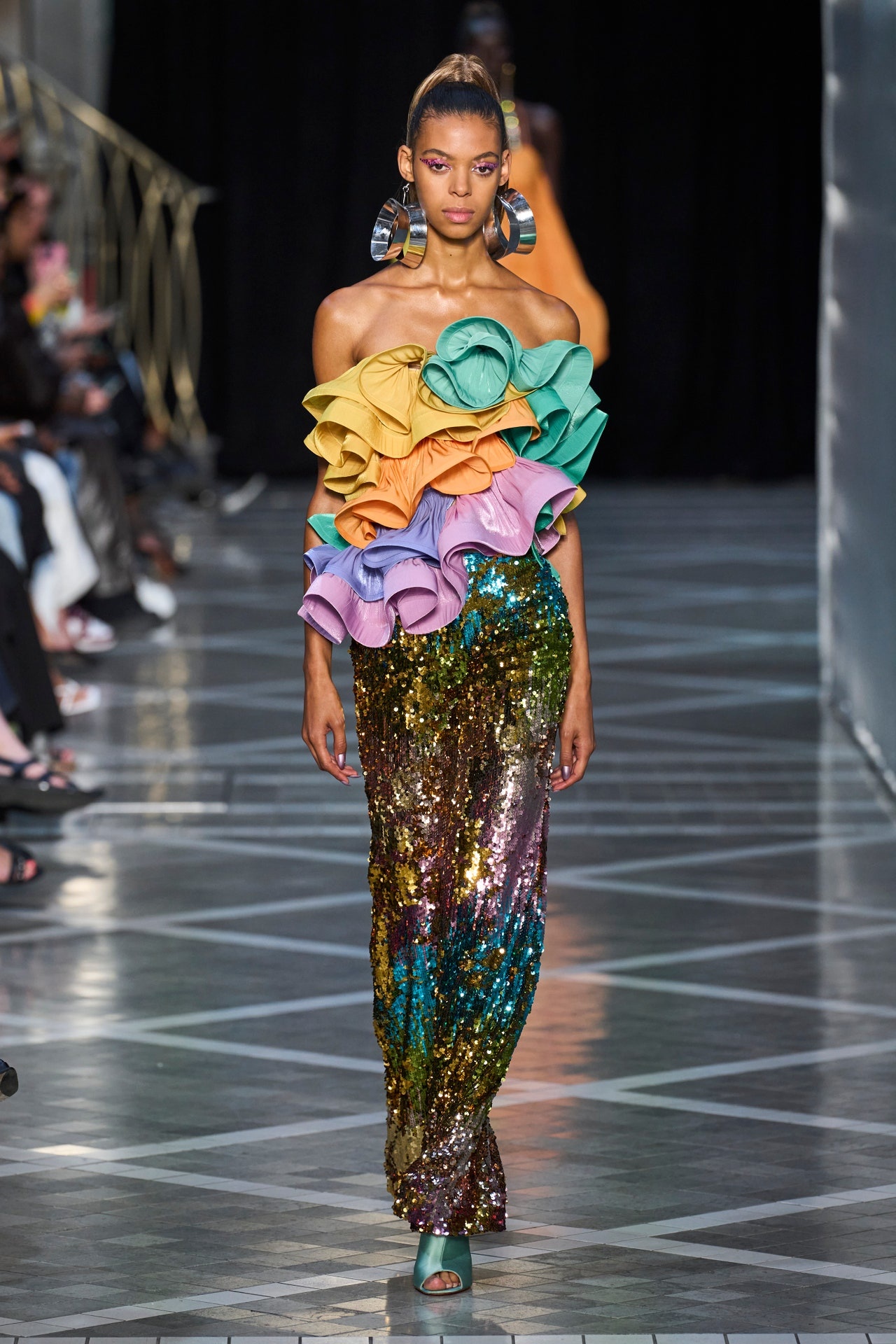
We’ll see a fascinating dichotomy at play. Neo-minimalism will resurface with renewed vigor, emphasizing clean lines, sophisticated tailoring, and a muted, earthy color palette. This minimalist style will prioritize quality over quantity, focusing on versatile, timeless pieces designed to last. On the other hand, playful maximalism will continue to thrive, characterized by bold colors, clashing patterns, exaggerated silhouettes, and an abundance of textures and embellishments. This trend is about joy, self-expression, and a fearless approach to dressing, embracing a more "more is more" philosophy.
Gender-Fluid Silhouettes and Inclusivity
The movement towards gender-fluid fashion will be fully established by 2026. Collections will increasingly feature ambiguous sizing, non-gendered designs, and silhouettes that blur traditional boundaries. This push for inclusivity extends beyond gender to embrace diverse body types, ages, and cultural backgrounds, ensuring that fashion in Europe 2026 truly reflects the rich tapestry of its population. Brands will design with universal appeal, celebrating individuality in all its forms.
The Resurgence of Craftsmanship and Heritage
Amidst the digital surge, there will be a powerful resurgence of appreciation for traditional craftsmanship. Haute couture Europe will continue to mesmerize with its unparalleled artistry, but even ready-to-wear collections will feature handcrafted details, intricate embroidery, and artisanal techniques. Consumers will seek out pieces with a story, valuing the skill and heritage embedded in each garment. This focus on craftsmanship aligns perfectly with the slow fashion movement, emphasizing quality, longevity, and ethical production.
Streetwear’s Enduring Influence and Evolution
Streetwear, once a subculture, has firmly cemented its place in mainstream fashion. In 2026, its influence will evolve, becoming more refined and integrated with luxury fashion. Expect elevated streetwear pieces that combine comfort and practicality with high-end fabrics and sophisticated designs. Collaborations between luxury houses and streetwear brands will continue to redefine casual elegance, creating a distinct European streetwear aesthetic that is both accessible and aspirational.
The Pulsating Fashion Capitals: Paris, Milan, London, and Beyond
Europe’s iconic fashion capitals will continue to be global trendsetters, each offering a unique flavor to the evolving landscape of fashion in Europe 2026.
Paris: The Enduring Elegance
Paris will remain the undisputed heart of haute couture and luxury fashion. Its venerable fashion houses will continue to set benchmarks for unparalleled craftsmanship, innovative design, and timeless elegance. The Parisian aesthetic in 2026 will blend its classic sophistication with a subtle infusion of modernity, focusing on impeccable tailoring, exquisite fabrics, and an understated yet powerful allure. Luxury fashion Europe will always find its purest expression here.
Milan: Boldness and Innovation
Milan will reinforce its reputation for bold, innovative ready-to-wear and exceptional leather goods. Italian designers will continue to champion vibrant colors, luxurious textures, and confident silhouettes. The Milanese fashion scene in 2026 will be characterized by a fusion of high-fashion glamour and practical sophistication, appealing to a global audience that values both statement pieces and everyday luxury.
London: Eclectic and Avant-Garde
London’s fashion scene will remain a hotbed of emerging designers and avant-garde creativity. Known for its fearless approach to style and its embrace of youth culture, London will push boundaries with experimental designs, gender-fluid collections, and a strong focus on sustainable innovation. It’s where the future of fashion often takes its first, audacious steps.
Emerging Hubs: Berlin, Copenhagen, Stockholm
Beyond the traditional big three, cities like Berlin, Copenhagen, and Stockholm will solidify their positions as influential hubs for fashion in Europe 2026. Berlin will be celebrated for its edgy, urban aesthetic and its commitment to sustainable and ethical production. Copenhagen and Stockholm will lead the charge in functional design, minimalist aesthetics, and pioneering sustainable practices, proving that style doesn’t have to compromise on responsibility.
- People Also Ask (PAA): Which European cities will be fashion hotspots in 2026?
- In 2026, Paris, Milan, and London will remain primary fashion capitals, setting trends in haute couture, luxury, and avant-garde design. Additionally, cities like Berlin, Copenhagen, and Stockholm will be significant hotspots, particularly for sustainable fashion, functional design, and emerging talent.
The Consumer Landscape: Gen Z and Beyond
The consumer driving fashion in Europe 2026 will be more informed, engaged, and values-driven than ever before. Gen Z, in particular, will continue to shape market demands with their preference for authenticity, individuality, and brands that align with their social and environmental values. Social media will remain a powerful tool for trend dissemination and brand interaction, but consumers will increasingly look beyond superficial aesthetics to evaluate a brand’s true impact.
The appetite for vintage fashion and thrifting will continue to grow, reflecting a desire for unique pieces, sustainable consumption, and a rejection of fast fashion’s disposable culture. This blend of high-tech innovation and nostalgic appreciation underscores the multifaceted nature of the 2026 fashion consumer.
Overcoming Challenges and Embracing Opportunities
While the future of fashion in Europe 2026 is bright with innovation, it’s not without its challenges. Supply chain resilience, navigating economic shifts, and adapting to the accelerating impacts of climate change will require constant vigilance and creative solutions. However, these challenges also present immense opportunities for brands to foster deeper collaborations, invest in groundbreaking research, and truly differentiate themselves through their commitment to a better future. The emphasis will be on building robust, ethical, and agile systems that can adapt to an ever-changing world.
Conclusion
The landscape of fashion in Europe 2026 is set to be a breathtaking panorama of innovation, responsibility, and unparalleled style. From the quiet revolution of sustainable materials to the dazzling expanse of metaverse fashion, Europe will continue to lead the world in defining what it means to dress for the future. It’s a future where every stitch, every silhouette, and every design choice reflects a deeper commitment to our planet and its people, without ever compromising on beauty or artistic expression.
We invite you to imagine yourself stepping into this future – what trends excite you the most? How do you envision your personal style evolving with these changes? Share your thoughts and join the conversation as we anticipate the extraordinary evolution of European fashion.
FAQ Section
Q: What will be the biggest trend in fashion in Europe 2026?
A: The biggest overarching trend will be the integration of Traditional indian clothes for women unveiling exquisite elegance cultural splendor deep sustainability practices, including circular fashion models and bio-based materials, alongside the expansion of digital fashion within the metaverse. Aesthetically, a balance between neo-minimalism and playful maximalism will define key looks.
Q: How is sustainability shaping European fashion for 2026?
A: Sustainability is fundamentally reshaping fashion in Europe 2026 by driving innovation in eco-conscious materials, promoting circular business models (rental, repair, upcycling), demanding transparent supply chains, and emphasizing ethical production and fair labor practices. It’s moving from a niche concern to a core industry pillar.
Q: Will digital fashion be widely adopted in Europe by 2026?
A: Yes, digital fashion, including NFTs and virtual wearables for the metaverse and gaming, will see widespread adoption in Europe by 2026. Brands will leverage it for creative expression, exclusive collections, and new forms of consumer engagement.
Q: Which European city leads in fashion innovation for 2026?
A: While Paris, Milan, and London remain pivotal, cities like Copenhagen and Stockholm are leading in sustainable and functional design innovation. London continues to be a hub for avant-garde and emerging designers, constantly pushing creative boundaries.
Q: What role do emerging designers play in fashion in Europe 2026?
A: Emerging designers play a crucial role in fashion in Europe 2026 by introducing fresh perspectives, challenging traditional norms, and often pioneering sustainable and inclusive practices. They are vital for driving innovation and ensuring the industry remains dynamic and relevant.