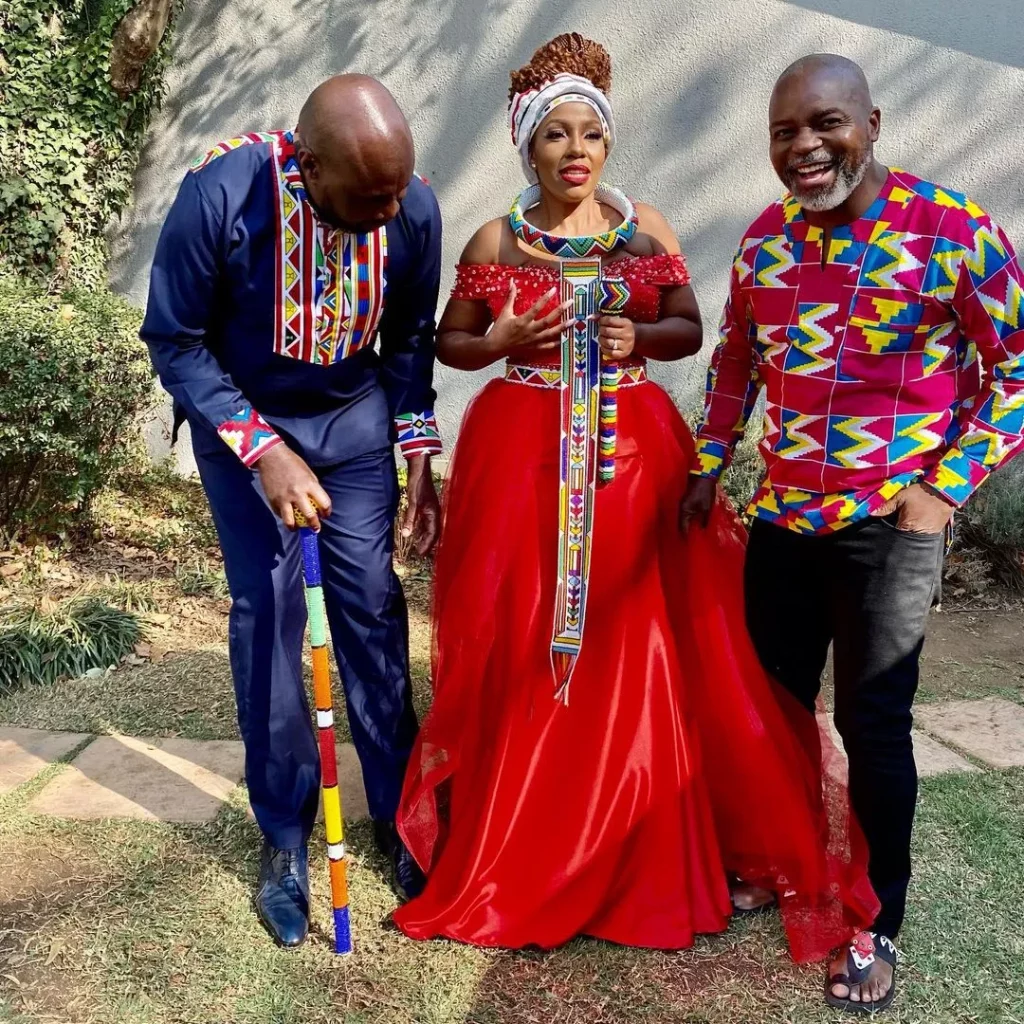
Step into a world where vibrant colors dance with intricate designs, where every stitch tells a story, and where timeless grace meets modern allure. Traditional Indian clothes for women are not merely garments; they are a celebration of heritage, artistry, and identity. From the flowing drapes of a saree to the elaborate twirl of a lehenga, these ensembles embody a rich cultural tapestry that has captivated hearts across generations and continents. If you’ve ever been mesmerized by the sheer beauty and diversity of Indian attire, prepare to embark on an enchanting journey through the history, styles, and enduring appeal of these magnificent creations.
The Timeless Allure of Traditional Indian Clothes for Women
India’s textile heritage is one of the oldest and most diverse in the world. For centuries, skilled artisans have perfected techniques of weaving, dyeing, and embellishing, transforming simple threads into breathtaking works of art. Traditional Indian clothes for women are a testament to this enduring legacy, reflecting regional identities, social customs, and evolving fashion sensibilities. What makes them so universally appealing? It’s their ability to blend comfort with opulence, practicality with grandeur, making them suitable for everything from daily wear to the most lavish celebrations. Each outfit carries a piece of India’s soul, offering a unique blend of historical depth and contemporary charm that continues to captivate designers and fashion enthusiasts worldwide.
Iconic Garments: A Closer Look at Women’s Traditional Indian Attire
The spectrum of traditional Indian clothes for women is vast and varied, but certain garments stand out as true icons, each with its own unique silhouette, history, and charm.
The Saree: Draped in Grace and History
Perhaps the most universally recognized and celebrated of all traditional Indian clothes for women, the saree is an unstitched length of fabric, typically five to nine yards long, gracefully draped around the body. It consists of a petticoat (underskirt), a fitted blouse (choli), and the saree itself, which is pleated and wrapped around the waist, with one end elegantly draped over the shoulder.
- Versatility and Regional Variations: The beauty of the saree lies in its incredible versatility. Draping styles vary dramatically from region to region, each telling a distinct story. The classic Nivi drape from Andhra Pradesh is widely popular, but you’ll also find unique styles like the Bengali Athpourey, the Gujarati Seedha Pallu, or the Maharashtrian Nauvari.
- Fabrics and Occasions: Sarees are crafted from an astonishing array of fabrics, each suited for different occasions.
- Silk Sarees: From the rich, heavy Kanjeevaram silks of the South (often adorned with intricate gold zari work) to the delicate Banarasi silks of Uttar Pradesh, silk sarees are synonymous with weddings, festivals, and grand celebrations.
- Cotton Sarees: Lightweight and breathable, cotton sarees are perfect for daily wear and warmer climates, popular in regions like Bengal and Odisha.
- Georgette and Chiffon Sarees: These translucent, flowing fabrics offer a modern, elegant look, often embellished with delicate embroidery or prints, ideal for parties and contemporary events.
- Enduring Appeal: The saree has transcended generations, remaining a powerful symbol of Indian femininity and grace. It continues to be reinvented by designers, proving its timeless appeal.
The Lehenga Choli: Bridal Grandeur and Festive Flair
When it comes to grandeur and celebration, the lehenga choli stands unparalleled among traditional Indian clothes for women. This three-piece ensemble comprises a long, flowing skirt (lehenga), a fitted blouse (choli), and a coordinating scarf (dupatta). It is especially favored for weddings, engagements, and major festivals.
- Design and Embellishments: Lehenga cholis are renowned for their elaborate embellishments. Heavy embroidery techniques like Zari, Zardozi, Aari, Gota Patti, and intricate mirror work transform these outfits into dazzling masterpieces. The choice of fabric, from raw silk and velvet to georgette and net, also plays a crucial role in its overall look.
- Types of Lehengas:
- Bridal Lehenga: Often heavily embroidered and adorned, typically in reds, maroons, or pastels, symbolizing auspiciousness and new beginnings.
- Ghagra Choli: A traditional style, particularly popular in Rajasthan and Gujarat, characterized by vibrant colors, mirror work, and often a shorter choli.
- Chaniya Choli: A Gujarati variant, known for its extensive use of tie-dye (bandhani) and block prints.
- Modern Adaptations: While retaining its traditional essence, the lehenga choli has also seen contemporary interpretations, with designers experimenting with cuts, silhouettes, and unconventional color palettes.
The Salwar Kameez: Comfort Meets Chic
For those seeking comfort without compromising on style, the salwar kameez is a beloved choice among traditional Indian clothes for women. This versatile ensemble consists of a tunic (kameez), trousers (salwar), and a scarf (dupatta).
- Versatility for Every Occasion: The salwar kameez can be dressed up or down, making it suitable for everything from casual daily wear to formal events.
- Patiala Salwar: Known for its voluminous, pleated pants, offering comfort and a distinctive look, popular in Punjab.
- Churidar Salwar: Features tight-fitting pants that gather at the ankle, creating wrinkle-like folds (churis).
- Palazzo Salwar: Wide-legged trousers paired with a kameez, offering a contemporary and relaxed silhouette.
- Straight Cut Salwar: Simple, straight-cut pants, providing a sleek and modern appearance.
- Fabrics and Designs: Available in a multitude of fabrics like cotton, silk, georgette, and crepe, salwar kameez sets are adorned with various prints, embroidery, and embellishments, catering to diverse tastes.
The Anarkali Suit: Regal Silhouettes
Named after the legendary courtesan from the Mughal era, the Anarkali suit is a flowing, frock-style top (kameez) paired with churidar pants and a dupatta. Its distinguishing feature is the long, flared silhouette that starts from the waist or just below the bust, creating a graceful, regal look.
- Historical Elegance: The Anarkali brings a touch of historical elegance and grandeur, making it a popular choice for festive occasions, weddings, and parties.
- Design Variations: From simple, everyday cotton Anarkalis to heavily embellished, floor-length versions crafted from silk or net, there’s an Anarkali for every preference. The flare, length, and embroidery can vary significantly, offering a wide range of choices.
The Kurti: Modern Adaptations of a Classic
While technically a component of the salwar kameez, the kurti (a shorter tunic) has evolved into a standalone garment, becoming one of the most popular and adaptable traditional Indian clothes for women for modern lifestyles.
- Versatility and Styling: Kurtis can be paired with jeans, leggings, palazzos, skirts, or even worn as a dress. They come in various lengths, cuts (A-line, straight, asymmetric), and designs, making them incredibly versatile.
- Occasions: From casual office wear to semi-formal gatherings, a kurti offers comfort and effortless style. They are available in a plethora of fabrics, prints, and embroidery styles, reflecting both traditional motifs and contemporary trends.
Regional Splendor: A Tapestry of Styles
The diversity of traditional Indian clothes for women is deeply rooted in India’s regional variations. Each state boasts its own unique weaving traditions, embroidery styles, and draping techniques, contributing to the country’s rich fashion landscape.
- Rajasthan & Gujarat: Famous for vibrant Ghagra Cholis, Bandhani (tie-dye) and Leheriya prints, and intricate mirror work.
- Punjab: Known for the Patiala Salwar suit and the vibrant Phulkari embroidery, characterized by floral motifs.
- South India: Celebrated for its rich silk sarees like Kanjeevaram, Mysore Silk, and Dharmavaram, often featuring heavy gold borders and traditional temple designs.
- Bengal: Revered for its elegant cotton and silk sarees, including Dhakai Jamdani and Baluchari, known for their fine weaving and pictorial motifs.
- Northeast India: Features unique handloom textiles, often with tribal patterns and vibrant colors, like the Mekhela Chador of Assam.
Fabrics, Embellishments, and Craftsmanship
The true magic of traditional Indian clothes for women lies not just in their silhouettes but also in the exquisite fabrics and intricate craftsmanship that go into their creation.
A Symphony of Textiles
- Silk: The undisputed queen of Indian fabrics, revered for its lustrous sheen and luxurious feel. Varieties like Banarasi, Kanjeevaram, Tussar, and Muga silk are highly prized.
- Cotton: The most widely used fabric, known for its breathability and comfort, perfect for daily wear and warmer climates.
- Georgette & Chiffon: Lightweight, sheer fabrics that drape beautifully, often used for elegant sarees, Anarkalis, and dupattas.
- Brocade: A richly decorative shuttle-woven fabric, often in silk, with intricate patterns woven directly into the fabric, giving it a luxurious, raised appearance.
- Velvet: Used for opulent lehengas and blouses, especially for winter weddings, adding a royal touch.
Artistry in Detail: Embellishments and Embroidery
Indian attire is incomplete without its dazzling array of embellishments, each a testament to meticulous handiwork.
- Zari & Zardozi: Gold or silver thread embroidery, often used to create elaborate patterns, especially on bridal wear. Zardozi is a heavier, more raised form.
- Gota Patti: A type of appliqué work originating from Rajasthan, where small pieces of zari ribbon are stitched onto the fabric to create intricate patterns.
- Mirror Work (Shisha): Small pieces of mirrors are embroidered onto the fabric, creating a sparkling effect, popular in Gujarati and Rajasthani attire.
- Aari Work: A fine chain stitch embroidery done with a hooked needle, creating delicate and intricate designs.
- Block Printing: Hand-carved wooden blocks are used to stamp patterns onto fabric, creating unique and artistic designs.
- Bandhani (Tie-Dye): A traditional tie-dye technique from Rajasthan and Gujarat, producing vibrant, dotted patterns.
Styling Traditional Indian Clothes for Women: Accessories and Beyond
The elegance of traditional Indian clothes for women is further enhanced by thoughtful accessorizing.
- Jewelry: No Indian outfit is complete without jewelry. From heavy gold necklaces and jhumkas (bell-shaped earrings) to delicate bangles, maang tikkas (forehead jewelry), and anklets, each piece adds to the overall splendor.
- Footwear: Traditional footwear like Mojaris or Juttis (embroidered flats) perfectly complement ethnic wear. For a contemporary touch, heels or embellished sandals are popular choices.
- Hair and Makeup: Traditional hairstyles often involve braids, buns adorned with flowers, or open flowing hair. Makeup typically focuses on enhancing features, with a special emphasis on the eyes.
Traditional Indian Clothes for Women: Embracing Modernity
While deeply rooted in tradition, traditional Indian clothes for women have not remained static. Designers continually experiment with contemporary cuts, fusion styles, and global aesthetics, making them relevant to modern fashion sensibilities. Crop top lehengas, pre-draped sarees, and kurtis paired with Western bottoms are just a few examples of how these timeless garments are evolving, finding their place in both Indian and international wardrobes. The global appeal of Indian ethnic wear is stronger than ever, with celebrities and fashionistas worldwide embracing its unique charm.
People Also Ask (PAA) – Your Questions Answered
Understanding the nuances of traditional Indian clothes for women can sometimes lead to common questions. Here are some answers to frequently asked queries:
- What are traditional Indian clothes for women called?
They are generally referred to as "Indian ethnic wear," "traditional Indian attire," or by their specific garment names such as Saree, Lehenga Choli, Salwar Kameez, Anarkali, and Kurti. - What is the most common traditional clothing in India for women?
The saree is arguably the most iconic and widely recognized traditional garment across India. However, the salwar kameez is also extremely common, especially for daily wear and in northern regions, due to its comfort and practicality. - What is a saree and how is it worn?
A saree is an unstitched length of fabric (typically 5-9 yards) worn over a petticoat and a fitted blouse (choli). It is traditionally draped by pleating one end and tucking it into the petticoat, wrapping the rest around the waist, and then elegantly draping the loose end (pallu) over the shoulder. - What is the difference between a salwar kameez and an anarkali?
A salwar kameez consists of a straight or flared tunic (kameez), loose or fitted trousers (salwar), and a dupatta. An Anarkali is a specific type of kameez that is long, frock-style, and flared from the waist or bust, resembling a gown, typically paired with churidar pants. - Can foreigners wear traditional Indian clothes?
Absolutely! Foreigners are welcome and often encouraged to wear traditional Indian clothes. It’s seen as a sign of respect and appreciation for Indian culture. When doing so, choosing appropriate designs for the occasion and ensuring the outfit is worn respectfully is key. - What are some popular fabrics used in traditional Indian clothing?
Popular fabrics include various types of silk (Kanjeevaram, Banarasi, Tussar), cotton, georgette, chiffon, velvet, and brocade. The choice of fabric often depends on the occasion and regional tradition.
Conclusion
The world of traditional Indian clothes for women is a dazzling spectacle of color, craftsmanship, and cultural depth. Each garment, from the majestic saree to the vibrant lehenga, tells a story of India’s artistic legacy, its diverse regions, and its evolving yet deeply rooted traditions. These exquisite ensembles are more than just fashion; they are expressions of identity, celebrations of life, and testaments to an unparalleled heritage that continues to inspire and enchant. We invite you to explore this beautiful world, embrace its charm, and perhaps even adorn yourself in the timeless elegance of these magnificent creations. Share your favorite traditional Indian outfit or style in the comments below – we’d love to hear from you!
FAQ Section
Q1: What are the primary types of traditional Indian clothing for women?
A1: The primary types include the Saree, Lehenga Choli, Salwar Kameez, Indian clothes near me online uncover breathtaking styles unmatched convenience Anarkali Suit, and Kurti. Each has distinct features and cultural significance.
Q2: How do I choose the right traditional outfit for an occasion?
A2: For weddings and grand festivals, a heavily embellished Saree, Lehenga Choli, or Anarkali is ideal. For semi-formal events or daily wear, a lighter Saree, Salwar Kameez, or Kurti is more suitable. Consider the fabric (silk for formal, cotton for casual) and level of embroidery.
Q3: What are some popular Indian embroidery styles?
A3: Popular styles include Zari, Zardozi, Gota Patti, Aari work, Mirror work (Shisha), and Phulkari. These techniques are often regional and add unique character to garments.
Q4: Can I buy authentic traditional Indian clothes online?
A4: Yes, many reputable online stores specialize in traditional Indian clothing, offering a wide range of authentic designs, fabrics, and regional specialties. It’s advisable to check reviews and return policies.
Q5: What is the significance of the dupatta?
A5: The dupatta (or odhani/chunni) is a long scarf that completes many traditional Indian outfits like the Salwar Kameez, Lehenga Choli, and Anarkali. It serves both as a modest covering and an integral style element, often featuring matching or contrasting embroidery and colors.