Imagine a sun-drenched afternoon, the scent of cypress trees carried on a gentle breeze, and the promise of a delicious meal shared with loved ones. This idyllic scene often unfolds within the embrace of an Italian home. But have you ever wondered, what is an Italian house called? Is there one singular term that captures the essence of all the diverse and enchanting dwellings found across Italy’s boot-shaped landscape? The answer, like Italy itself, is wonderfully rich and varied. While there’s a beautiful, universal word, delving deeper reveals a captivating array of architectural styles and regional treasures, each with its own unique name and story.
Join us on a delightful journey as we explore the heart of Italian living, uncovering the terms that describe these magnificent structures and the soulful experiences they offer.
Casa: The Universal Embrace of Home
At its most fundamental, what is an Italian house called? The simplest, most universally understood, and most New shoes for men unveiling the magnificent styles endearing term is casa. Pronounced "CAH-sah," this word transcends a mere building; it embodies the very spirit of "home." When an Italian speaks of their casa, they’re not just referring to bricks and mortar, but to family, warmth, tradition, and a sense of belonging. It’s where life happens, where generations gather, and where the most cherished memories are made.
Whether it’s a grand villa overlooking the sea or a modest apartment in a bustling city, it’s all casa. This foundational term forms the bedrock of understanding Italian dwellings, a concept deeply rooted in the country’s familial and community-oriented culture.
Beyond Casa: A Symphony of Italian Dwellings
While casa serves as the overarching term, Italy’s long and varied history, coupled with its diverse geography, has given rise to an incredible spectrum of architectural styles and property types. Each region, sometimes even each village, boasts its own characteristic housing, reflecting local materials, climate, and historical influences. To truly appreciate what is an Italian house called, one must explore these fascinating distinctions.
The Grandeur of the Palazzo
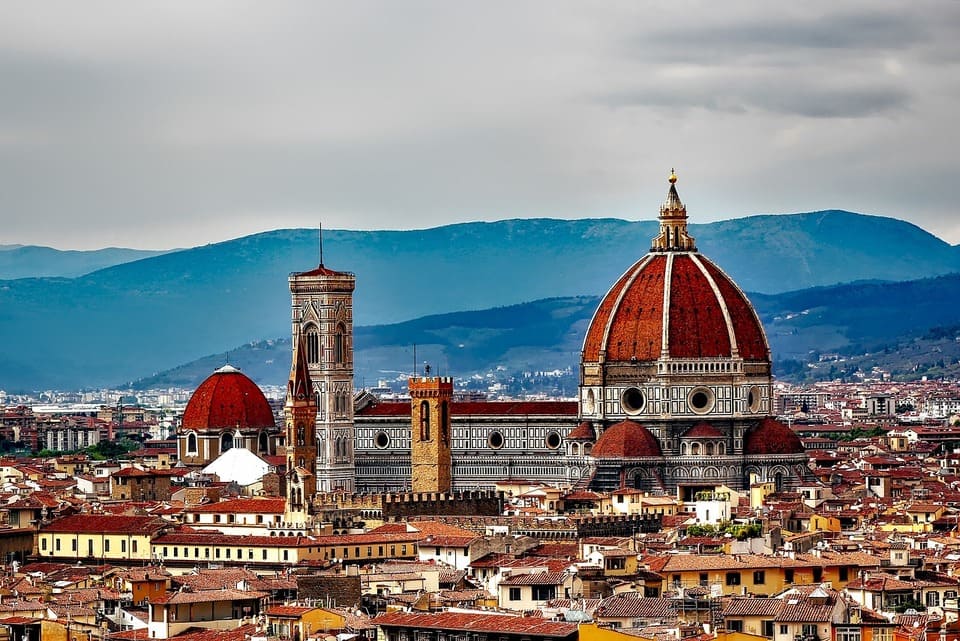
When considering what is an Italian house called when it’s a magnificent, imposing structure, often found in historic city centers, the term you’re looking for is palazzo (plural: palazzi). Historically, a palazzo was a noble residence, a grand city mansion belonging to aristocratic families, complete with multiple floors, intricate facades, courtyards, and often frescoed interiors. Think of the Medici palaces in Florence or the Doge’s Palace in Venice. Today, many palazzi have been converted into museums, government offices, luxury apartments, or boutique hotels, but their imposing presence continues to define the urban landscape of Italy’s most historic cities.
The Idyllic Charm of the Villa
For those dreaming of a sprawling estate in the Italian countryside, surrounded by vineyards or olive groves, the word that comes to mind is villa (plural: ville). Historically, Roman villas were country estates for the wealthy. The concept evolved, and during the Renaissance, villas became lavish country residences, often featuring extensive gardens, fountains, and breathtaking views.
Today, a villa still denotes a substantial, often luxurious, detached house, typically located outside a city. These can range from elegant, historic homes in Tuscany or Umbria to modern, architecturally designed properties on the Amalfi Coast or by Lake Como. They often serve as private residences, holiday rentals, or even venues for events, embodying a lifestyle of leisure and beauty.
Rustic Elegance: Masseria and Cascina
If your vision of what is an Italian house called leans towards a charming, rustic farmhouse, then Italy offers several delightful options, each with regional specificities:
- Masseria: Predominantly found in the sun-drenched region of Puglia in Southern Italy, a masseria is a fortified farmhouse or country estate. These historic structures often date back centuries and were once working farms, complete with courtyards, stables, and living quarters. Characterized by thick stone walls, vaulted ceilings, and large open spaces, many masserie have been beautifully restored into boutique hotels, luxury bed & breakfasts, or private homes, offering an authentic taste of Puglian rural life.
- Cascina: In the northern regions, particularly Lombardy and Piedmont, the equivalent of a farmhouse is a cascina. These are typically larger, more complex structures than the southern masserie, often forming small hamlets or working farm clusters with barns, stables, and living spaces arranged around a central courtyard. Like their southern counterparts, many cascine have been lovingly renovated, blending their historic charm with modern comforts.
- Fattoria: A more generic term for a farm or farmhouse, especially one that is still actively producing agricultural goods. An agriturismo (see below) is often a fattoria that also offers accommodation.
Whimsical Wonders: The Trullo of Puglia
Among the most unique and recognizable Italian dwellings are the trulli (singular: trullo) of Puglia, particularly concentrated in the Itria Valley. What is an Italian house called if it has a distinctive cone-shaped, dry-stone roof? It’s a trullo! These enchanting structures, often whitewashed with grey stone roofs, are built without mortar, using ancient construction techniques. Historically, they were peasant dwellings or storage huts. Today, many trulli have been meticulously restored, offering charming and utterly unique accommodations for tourists or private residents, embodying a fairytale quality.
Timeless Retreats: The Rustico
The term rustico (plural: rustici) refers to a rustic, often old or dilapidated, country house or ruin that is typically ripe for restoration. This could be a small stone cottage, an old barn, or even a crumbling farmhouse. For those dreaming of a project, transforming a rustico into a beautiful home is a popular pursuit, allowing owners to infuse modern comforts while preserving the original character and using traditional materials like local stone, terracotta tiles, and timber beams. It speaks to the allure of authentic Italian living and the romance of bringing a piece of history back to life.
The Village Heart: Living in a Borgo
While not a single house type, understanding what is an Italian house called often involves the context of its setting. A borgo (plural: borghi) refers to a small, historic village or hamlet, often fortified, typically perched on a hilltop or nestled in a valley. Living in a borgo means living within a community, where houses are often contiguous, sharing walls and narrow cobblestone streets. Many borghi are being revitalized, with individual case (houses) within them being restored, offering a truly immersive experience of traditional Italian life and community.
Modern Italian Apartments & Pied-à-Terre
In bustling urban centers like Rome, Milan, or Naples, the most common type of dwelling is an apartment, or appartamento. These can range from grand residences in historic palazzi to contemporary flats in modern buildings. A smaller, often temporary, urban dwelling used as a base is sometimes referred to as a pied-à-terre, a French term commonly understood and used in Italy’s cosmopolitan cities.
The Allure of the Agriturismo
While not a type of house in itself, an agriturismo is a popular concept for rural accommodation. It’s a working farm that also offers hospitality, allowing guests to stay in renovated farmhouses (cascine, masserie, or rustici) and experience rural life, often enjoying farm-to-table cuisine. It’s a wonderful way to experience the charm of various Italian country dwellings.
Architectural Hallmarks: What Defines an Italian Home?
Beyond their specific names, many Italian homes share common architectural and design characteristics that contribute to their breathtaking charm, regardless of what is an Italian house called. These elements reflect centuries of tradition, climate adaptation, and an inherent appreciation for beauty and craftsmanship.
- Natural Materials: Stone (local tufa, travertine, limestone), terracotta tiles for roofs and floors, stuccoed walls in warm earth tones, and sturdy timber beams are ubiquitous.
- Connection to the Outdoors: Courtyards, loggias, balconies, and extensive gardens are integral. Life often spills outside, especially during the warmer months, emphasizing al fresco dining and relaxation.
- Thick Walls and Small Windows: Especially in older homes, thick walls provide insulation against summer heat and winter cold, while smaller windows help regulate indoor temperatures and offer a sense of privacy and security.
- Arches and Vaulted Ceilings: Common in historic homes, these architectural features add grandeur, structural integrity, and a sense of timeless elegance.
- Regional Variations: From the vibrant colors of Ligurian coastal homes to the muted stone of Tuscan farmhouses and the distinctive whitewash of Puglia, regional identity profoundly shapes the aesthetic.
- Simplicity and Functionality: While often beautiful, traditional Italian homes prioritize practicality and comfort, with a focus on natural light, airflow, and durable, easy-to-maintain surfaces.
People Also Ask: Your Burning Questions About Italian Homes Answered
Understanding what is an Italian house called often leads to more specific inquiries. Here are some commonly asked questions:
Q: What is a traditional Italian house called?
A: The most general term is casa. However, for traditional rural homes, terms like villa (country estate), masseria (fortified farmhouse in Puglia), cascina (farmhouse in Northern Italy), or rustico (restorable country house) are used, depending on the region and style.
Q: What is the most common type of Italian home?
A: In urban areas, apartments (appartamenti) are the most common. In rural or suburban settings, a detached house, which could broadly be called a casa or a villetta (small villa), is prevalent.
Q: Are trulli houses still lived in?
A: Yes, absolutely! While many have been converted into unique holiday rentals, many trulli are still privately owned and lived in, especially in the Itria Valley of Puglia. They offer a charming and surprisingly comfortable living experience.
Q: What architectural styles influence Italian houses?
A: Italian houses are influenced by a rich tapestry of styles including Roman, Etruscan, Medieval, Renaissance, Baroque, and Neoclassical, often blended with strong regional vernacular traditions that dictate materials and construction methods.
Q: What is an Italian farmhouse called?
A: Depending on the region, an Italian farmhouse can be called a masseria (Puglia), a cascina (Northern Italy), or more generally, a fattoria. A rustico might also refer to an old, often unrestored, farmhouse.
Embracing the Italian Lifestyle: More Than Just Walls
Ultimately, what is an Italian house called is less important than the lifestyle it encapsulates. An Italian home, in any of its myriad forms, is more than just a dwelling; it’s a stage for living life to the fullest. It’s where families gather around a table laden with food, where stories are shared over a glass of wine, and where the pace of life slows down to allow for genuine connection and appreciation of beauty.
From the ancient stones of a palazzo echoing centuries of history to the simple elegance of a Tuscan villa bathed in golden light, each Italian dwelling offers a unique portal into the heart of Italian culture. It’s about savoring the moments, cherishing traditions, and embracing the innate artistry that defines this incredible country. Owning or even just visiting such a home is to partake in a dream, a connection to a timeless way of being.
Conclusion: Your Italian Home Awaits
As we’ve explored, what is an Italian house called isn’t a single answer, but rather a beautiful mosaic of terms, each painting a picture of diverse architectural wonders and cherished ways of life. From the foundational casa to the majestic palazzo, the idyllic villa, the rustic masseria, and the whimsical trullo, Italy’s homes are as varied and captivating as its landscapes. Each name carries with it a story, a history, and a promise of an authentic Italian experience.
Whether you dream of a grand historic residence or a charming countryside retreat, the breathtaking charms of Italian dwellings are truly unparalleled. They invite you not just to admire their beauty, but to immerse yourself in a culture that celebrates family, food, art, and the sheer joy of living. So, which Italian home captures your imagination? Share your thoughts below or better yet, start planning your own Italian adventure to discover these wonders firsthand!
FAQ Section
Q: What is the basic word for house in Italian?
A: The most basic and common word for house in Italian is casa.
Q: Are all Italian houses old?
A: No, while Italy boasts many historic properties, there are also plenty of modern apartments and contemporary homes, especially in newer developments and suburban areas. However, even new builds often incorporate traditional Italian architectural elements.
Q: What are typical features of an Italian house interior?
A: Typical interior features often include terracotta or stone floors, exposed wooden beams, plastered walls (often in warm tones), simple yet elegant furnishings, and a focus on natural light and connection to outdoor spaces like balconies or courtyards.
Q: Can I buy a trullo?
A: Yes, trulli are available for purchase, particularly in Puglia. Many have been beautifully restored, offering unique residential or holiday rental opportunities.
Q: What is the difference between a villa and a palazzo?
A: A villa is typically a large, often luxurious, detached country or suburban residence with extensive grounds or gardens. A palazzo is a grand, often multi-story, urban mansion or historic building, typically found in city centers, and was historically a noble or aristocratic residence.