As the festive season twinkles with lights and the air buzzes with anticipation, we find ourselves surrounded by a tapestry of brands, each vying for our attention, loyalty, and affection. From the gifts we exchange to the treats we savor, top brands with logo are not just names or products; they are cultural touchstones, symbols of innovation, quality, and often, a way of life. They tell stories, evoke emotions, and instantly communicate values, sometimes without a single word. This article delves into the fascinating world of these corporate giants, exploring how their iconic logos have become synonymous with their identity and why they continue to captivate billions worldwide.
Join us on a journey to discover the magic behind the most recognizable symbols on the planet. We’ll explore the history, evolution, and profound impact of these visual identifiers, understanding what makes a logo truly iconic and how top brands with logo leverage this power to build empires and forge lasting connections with consumers.
The Enduring Power of a Logo: More Than Just an Image
A logo is far more than a pretty picture; it’s the visual cornerstone of a brand’s identity, a shorthand for its entire ethos. It’s the first impression, the lasting memory, and often, the silent ambassador of a company’s values and offerings. For top brands with logo, this visual mark is a meticulously crafted asset, designed to resonate deeply with their target audience and stand the test of time.
What Makes a Logo Memorable?
The most effective logos share several key characteristics:
- Simplicity: Often, less is more. Simple logos are easier to recognize, recall, and reproduce across various mediums. Think of Nike’s Swoosh or Apple’s bitten apple.
- Relevance: A logo should align with the brand’s industry, values, and target audience. While not always literal, it should feel appropriate.
- Distinctiveness: It must stand out from competitors. Originality is crucial for cutting through the noise in a crowded marketplace.
- Versatility: An iconic logo works well in different sizes, colors, and contexts – from a billboard to a tiny app icon.
- Timelessness: While trends come and go, truly great logos endure, perhaps with minor refinements, but maintaining their core essence.
The Psychology Behind Iconic Branding
The human brain processes images much faster than text. A well-designed logo triggers instant recognition and a cascade of associations – memories, feelings, and perceptions about the brand. This psychological impact is what top brands with logo harness to build strong brand equity and foster deep consumer loyalty. Colors evoke emotions, shapes convey meaning, and even typography plays a role in shaping how we perceive a brand. For instance, a bold, strong font might suggest reliability, while a flowing script could imply elegance or tradition.
Tech Titans: Innovating with Distinctive Visuals
The technology sector is a crucible of innovation, and its leading players have some of the most globally recognized logos. These top brands with logo have revolutionized how we live, work, and connect, with their visual identities becoming as ubiquitous as their products.
Apple: The Bite of Genius
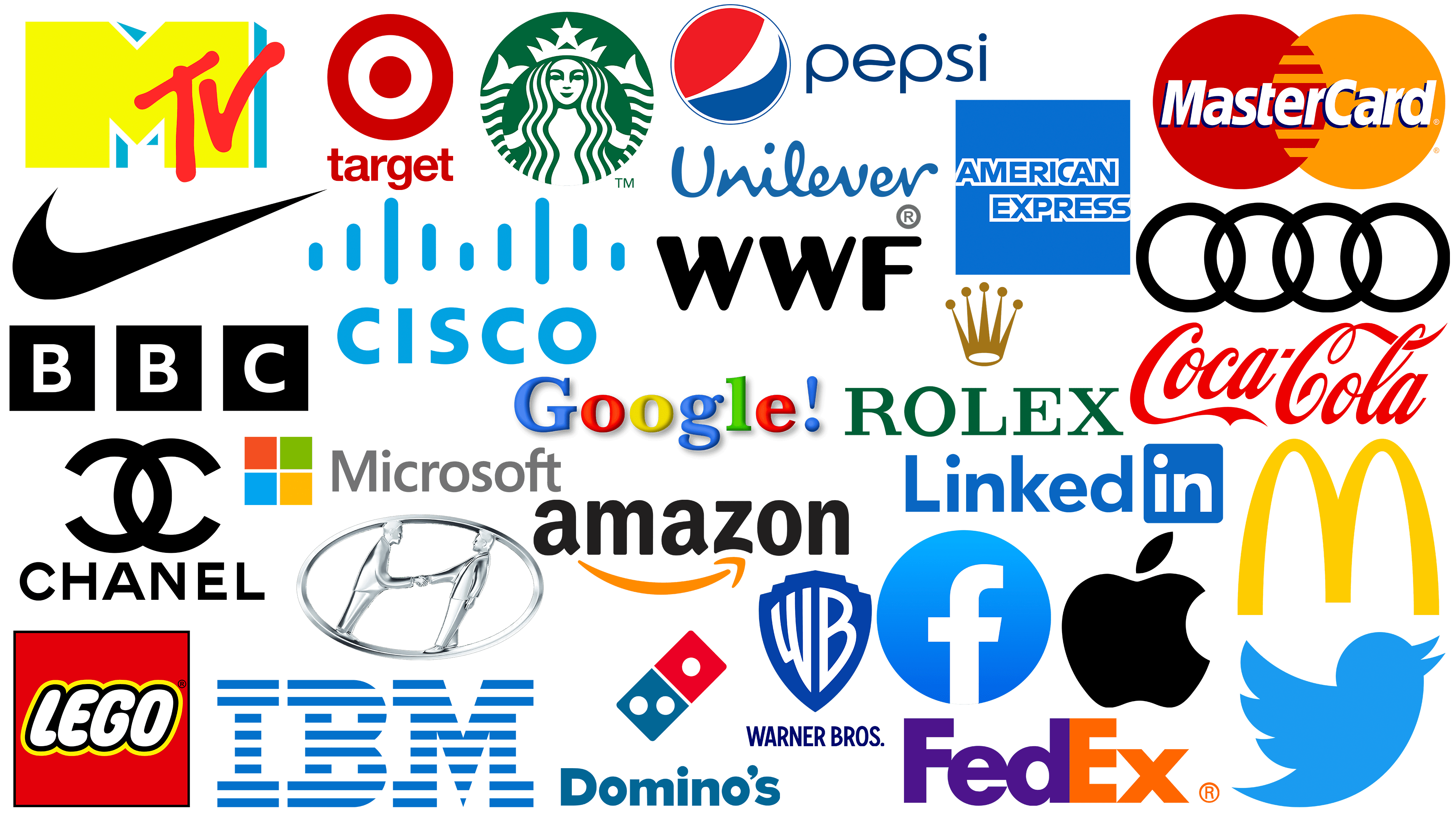
The Apple logo, a simple, monochromatic apple with a bite taken out, is perhaps one of the most iconic and recognizable symbols in the world. Designed by Rob Janoff in 1977, the bite was initially added to differentiate it from a cherry, but it has since taken on layers of metaphorical meaning – from forbidden knowledge to the pursuit of perfection. The clean lines and minimalist aesthetic perfectly mirror Apple’s design philosophy and user experience. It’s a testament to how a logo can transcend its literal meaning to embody a brand’s entire ethos of sleekness, innovation, and user-friendliness.
Google: Playful Precision
Google’s logo, with its vibrant, primary colors and custom serif typeface (Product Sans), exudes an approachable yet sophisticated charm. The slight tilt of the ‘e’ adds a playful touch, reflecting the company’s innovative spirit and its mission to organize the world’s information in an accessible way. Over the years, the logo has seen subtle refinements, adapting to the digital age with a flatter, more responsive design, but always retaining its core colorful identity. It’s a prime example of a dynamic brand identity that evolves while staying true to its roots.
Microsoft: The Window to the World
Microsoft’s current logo, introduced in 2012, features four colored squares – blue, red, green, and yellow – representing Windows, Office, Xbox, and Bing, respectively, alongside the "Microsoft" wordmark in a clean Segoe font. This simple, modern design reflects the company’s shift towards a more unified, cross-platform ecosystem. It’s a departure from earlier, more complex logos, symbolizing a streamlined, integrated future. This evolution demonstrates how even established top brands with logo can refresh their visual identity to align with strategic shifts.
Amazon: From A to Z with a Smile
Amazon’s logo is a masterclass in subtle messaging. The prominent orange arrow curving from the ‘A’ to the ‘Z’ not only forms a smile, suggesting customer satisfaction, but also subtly communicates that Amazon sells everything "from A to Z." The simple, bold "amazon.com" wordmark ensures readability and directness. This logo perfectly encapsulates Amazon’s vast product range and its customer-centric approach, making it one of the most effective and recognizable top brands with logo in e-commerce.
Automotive Legends: Driving Recognition
The automotive industry boasts some of the oldest and most revered logos, each steeped in history and engineering prowess. These top brands with logo symbolize luxury, performance, and a rich heritage that resonates with enthusiasts worldwide.
Mercedes-Benz: The Three-Pointed Star of Excellence
The Mercedes-Benz three-pointed star, representing the company’s ambition to motorize land, sea, and air, is a powerful emblem of luxury, quality, and precision engineering. Originating from a postcard sent by Gottlieb Daimler to his wife, the star has become synonymous with automotive excellence. Its timeless design and strong association with high-end vehicles make it instantly recognizable and aspirational, a true leader among top brands with logo.
BMW: The Bavarian Blue and White Roundel
The BMW roundel, often mistakenly thought to represent a spinning propeller, actually symbolizes the Bavarian flag’s blue and white colors, combined with the Rapp Motorenwerke logo (BMW’s predecessor). This iconic design conveys a sense of heritage, performance, and German engineering precision. It’s a testament to how a logo can carry historical significance while maintaining a sleek, modern appeal, cementing BMW’s place among top brands with logo.
Tesla: Electrifying the Future
Tesla’s logo, a stylized ‘T’, is more than just an initial; it’s designed to represent a cross-section of an electric motor. This clever visual metaphor instantly communicates the company’s innovative focus on electric vehicles and sustainable energy. The sharp, angular lines reflect Tesla’s cutting-edge technology and futuristic vision, making it a compelling new entrant in the pantheon of top brands with logo.
Fashion & Lifestyle Icons: Weaving Stories Through Design
In the world of fashion and lifestyle, logos are not just identifiers; they are statements of style, status, and aspiration. These top brands with logo have mastered the art of visual storytelling, creating emblems that are instantly desirable.
Nike: Just Do It with the Swoosh
Carolyn Davidson’s iconic Nike Swoosh, designed for a mere $35 in 1971, is a symbol of movement, speed, and athleticism. Its dynamic curve perfectly embodies the brand’s "Just Do It" philosophy, inspiring millions to push their limits. The simplicity and versatility of the Swoosh have allowed it to transcend sports, becoming a global fashion and lifestyle icon, proving its unparalleled status among top brands with logo.
Louis Vuitton: The Monogram of Luxury
The Louis Vuitton Monogram, featuring the interlocking "LV" initials, flowers, and quatrefoils, is a hallmark of luxury and exclusivity. Created by Georges Vuitton in 1896 to prevent counterfeiting, it has become one of the most recognized and coveted patterns in the world. The consistent use and meticulous application of this monogram across all its products reinforce its brand identity as a purveyor of high-end fashion and accessories, making it a timeless example of top brands with logo.
Rolex: The Crown of Prestige
The Rolex crown logo, introduced in the early 1900s, symbolizes prestige, achievement, and mastery. It perfectly encapsulates the brand’s commitment to precision, craftsmanship, and luxury in watchmaking. The crown is not just a symbol of royalty but also represents the five points of a hand, signifying the company’s dedication to human skill. This powerful emblem solidifies Rolex’s position as a leader among top brands with logo in the luxury market.
Food & Beverage Giants: Savoring Global Recognition
From refreshing drinks to comforting meals, food and beverage companies have created logos that evoke taste, tradition, and global familiarity. These top brands with logo are woven into the fabric of daily life for billions.
Coca-Cola: The Script of Refreshment
The flowing Spencerian script of the Coca-Cola logo, designed by Frank M. Robinson in 1886, is one of the most enduring and recognizable wordmarks in history. Its elegant, timeless design evokes a sense of tradition, nostalgia, and universal appeal. The consistent red and white color scheme further reinforces its brand identity, making it an undisputed champion among top brands with logo for its global reach and emotional connection.
McDonald’s: The Golden Arches of Global Comfort
The McDonald’s Golden Arches, first introduced in 1962, are instantly recognizable worldwide, symbolizing fast food, convenience, and a consistent dining experience. The "M" shape, formed by two yellow arches, has become a beacon of comfort and familiarity, making it one of the most powerful and pervasive top brands with logo on the planet. Its simplicity and bold color scheme ensure maximum visibility and recall.
Starbucks: The Siren’s Call for Coffee Lovers
The Starbucks logo, featuring a twin-tailed siren, is a unique and captivating emblem that speaks to the brand’s origins as a coffee bean retailer with a nautical theme. Over the years, the logo has evolved, becoming more streamlined and iconic, with the siren taking center stage. This mythical figure evokes a sense of allure, mystery, and a premium coffee experience, making it a distinctive and beloved symbol among top brands with logo in the beverage industry.
Entertainment & Beyond: Crafting Magic with Marks
Beyond products and services, some brands craft entire worlds, and their logos are the gateways to these imaginative realms.
Disney: Where Dreams Take Flight
The Walt Disney signature logo, inspired by Walt Disney’s actual autograph, is a magical symbol synonymous with childhood, wonder, and storytelling. It evokes a sense of nostalgia and dreams, representing a universe of beloved characters, theme parks, and timeless narratives. This iconic script is more than just a name; it’s an invitation to imagination, solidifying Disney’s place as a truly magical entry among top brands with logo.
People Also Ask (PAA) – Insights from Bing Search
Understanding the questions people frequently ask about top brands with logo helps us appreciate their significance even further.
What makes a brand logo iconic?
An iconic brand logo is typically simple, memorable, distinctive, versatile, and timeless. It effectively communicates the brand’s essence, values, and offerings, resonating deeply with consumers and building strong emotional connections over time. Logos like Nike’s Swoosh or Apple’s bitten apple achieve iconic status through consistent use, strong brand storytelling, and widespread recognition.
How important is a logo for a brand’s success?
A logo is critically important for a brand’s success as it serves as the primary visual identifier. It aids in instant recognition, differentiates the brand from competitors, builds trust and credibility, and forms the foundation of brand identity. A strong logo contributes significantly to brand equity, consumer loyalty, and overall market presence.
What are some examples of the most recognized logos globally?
Some of the most recognized logos globally include:
- Coca-Cola: Its distinctive script.
- McDonald’s: The Golden Arches.
- Nike: The Swoosh.
- Apple: The bitten apple.
- Google: Its colorful wordmark.
- Mercedes-Benz: The three-pointed star.
- Starbucks: The Siren.
How do top brands protect their logos?
Top brands protect their logos primarily through trademark registration. This legal process grants exclusive rights to use the logo in specific categories, preventing others from using similar designs that could cause confusion. They also actively monitor for infringement, issue cease and desist letters, and pursue legal action when necessary to defend their intellectual property.
Can a logo change over time?
Yes, logos can and often do change over time. This evolution, known as a logo refresh or redesign, can be prompted by various factors such as a change in company strategy, a desire to modernize the brand image, adaptation to new digital platforms, or a need to appeal to a new demographic. While the core essence often remains, subtle or significant changes help a brand stay relevant and fresh.
The Future of Branding: Adapting to a Digital World
The landscape of branding is ever-evolving, driven by technological advancements and shifting consumer behaviors. For top brands with logo, staying relevant means adapting their visual identities and brand messaging to new platforms and cultural Womens clothing brands us uncover empowering styles top nuances.
Digital Presence and Brand Evolution
In the digital age, logos must be optimized for various screens and platforms, from tiny app icons to dynamic web banners. Responsiveness, scalability, and animated versions are becoming increasingly important. Brands are also leveraging digital tools to create interactive experiences around their logos, fostering deeper engagement.
Sustainability and Ethical Branding
Consumers are increasingly demanding transparency and ethical practices from brands. Logos and brand messaging are now expected to reflect a commitment to sustainability, social responsibility, and diversity. Top brands with logo that authentically integrate these values into their identity and operations are building stronger, more meaningful connections with their audience.
Conclusion: The Unseen Power of a Symbol
From the festive glow of holiday advertisements to the everyday products we rely on, top brands with logo are omnipresent, shaping our perceptions and influencing our choices. Their logos are not mere decorations; they are powerful symbols, distilled representations of history, innovation, quality, and aspiration. They evoke emotions, build trust, and create a silent language that transcends cultural barriers.
As we reflect on the iconic powerhouses that define our world, it’s clear that a well-crafted logo is an invaluable asset, a beacon guiding consumers through a sea of choices. It’s a testament to the enduring human desire for connection, meaning, and identity – qualities that the most successful top brands with logo have mastered in their visual storytelling.
What are your favorite brand logos and why? Share your thoughts and let’s celebrate the incredible artistry and impact of these iconic symbols!
Frequently Asked Questions (FAQ)
What is brand identity?
Brand identity encompasses all the visual and non-visual elements that a company uses to present itself to the public. This includes its logo, colors, typography, messaging, tone of voice, and overall brand personality, all working together to create a distinct image and perception.
Why are logos important?
Logos are crucial because they provide instant brand recognition, differentiate a company from its competitors, build trust and credibility, and serve as a visual shorthand for a brand’s values and offerings. They are a foundational element of brand communication.
Which brands have the most recognizable logos?
Brands like Coca-Cola, McDonald’s, Nike, Apple, Google, and Mercedes-Benz consistently rank among the most recognizable logos globally due to their pervasive presence, consistent branding, and memorable designs.
How often do famous brands change their logos?
There’s no fixed schedule, but famous brands typically refresh their logos every 5-10 years, or sometimes even longer, with subtle updates to stay modern without losing recognition. Major redesigns are less frequent and usually accompany significant strategic shifts.
What’s the difference between a logo and a brand?
A logo is a visual mark or symbol that represents a company. A brand, on the other hand, is the entire perception and experience a customer has with a company, encompassing its products, services, values, reputation, and the emotional connection it fosters. The logo is a key component of the brand, but not the entirety of it.