Have you ever wondered about the enigmatic, powerful figure who captured hearts worldwide with a single song and a flurry of snow? Perhaps you’ve been swept away by her majestic ice palace, or moved by her unwavering love for her sister. If you’re asking, "tell me about elsa," then prepare to delve into the fascinating world of one of Disney’s most iconic and complex characters. Elsa of Arendelle is more than just a queen with magical powers; she is a symbol of self-acceptance, resilience, and the transformative power of love. Her journey from fear and isolation to embracing her true self resonates deeply with audiences of all ages, making her a truly beloved and inspiring figure in modern storytelling.
The Origins of a Legend: Who is Elsa?
Elsa is the elder sister of Anna and the former Queen of Arendelle, a fictional Scandinavian kingdom. Introduced in Disney’s 2013 animated musical hit Frozen, she immediately stood out from traditional Disney heroines. Unlike princesses waiting to be rescued, Elsa possesses extraordinary magical abilities, capable of conjuring ice, snow, and blizzards with a mere thought or gesture. This unique gift, however, was initially perceived as a curse, shaping her early life with a profound sense of fear and isolation.
Her character arc is a powerful narrative of self-discovery, exploring themes of identity, sisterly bonds, and the courage it takes to break free from societal expectations and personal inhibitions. When you ask, "tell me about elsa," you’re asking about a character who redefined what it means to be a Disney "princess," showcasing strength not just in magic, but in emotional depth and vulnerability.
The Burden of Power: Elsa’s Early Struggles
Elsa’s story begins with an idyllic childhood alongside her spirited younger sister, Anna. Their days were filled with playful snow magic, conjured by Elsa, much to Anna’s delight. However, a tragic accident during one of their secret playtimes irrevocably altered their lives.
A Childhood of Secrecy and Fear
When Elsa accidentally strikes Anna with her ice magic, nearly killing her, their parents, the King and Queen, seek help from the wise rock trolls. Grand Pabbie, the troll leader, saves Anna but warns Elsa that her powers, while beautiful, are dangerous if fueled by fear. To protect Anna and the kingdom, Elsa is advised to "conceal, don’t feel, don’t let it show." This counsel, though well-intentioned, leads to years of profound emotional repression.
Elsa isolates herself, shutting out Anna and the world, constantly battling her fear of her own abilities. Her gloves become a symbol of her suppression, a physical barrier against her true self. This period is marked by loneliness and anxiety, as she grapples with a power she cannot control and a love for her sister she cannot express. This foundation of struggle makes her eventual triumph even more impactful, providing a rich backdrop when you seek to truly "tell me about elsa."
The Coronation Catastrophe
The culmination of Elsa’s repressed emotions occurs on the day of her coronation as Queen of Arendelle. Overwhelmed by the pressure and the sheer volume of people, her carefully constructed facade crumbles. During an argument with Anna, her powers are accidentally unleashed, exposing her secret to the entire kingdom. Panicked and branded a monster, Elsa flees, inadvertently plunging Arendelle into an eternal winter. This moment of public exposure and subsequent flight is a turning point, setting the stage for her journey of self-acceptance.
The Anthem of Self-Acceptance: "Let It Go" and the Ice Palace
Elsa’s flight leads her deep into the mountains, where, finally free from the scrutinizing eyes of others and the expectations of her kingdom, she undergoes a profound transformation. This moment is immortalized in the iconic song "Let It Go."
This powerful anthem is not just a song; it’s Elsa’s declaration of independence. She sheds her fear, her gloves, and the constraints of her past, embracing her powers fully for the first time. The construction of her magnificent ice palace is a breathtaking manifestation of this liberation – a physical representation of her unleashed creativity and power. Here, she believes she can finally be herself, unbound by fear, even if it means eternal solitude. This pivotal scene is essential when you want to "tell me about elsa" and her journey towards self-empowerment.
Sisterly Love and Redemption: Reuniting with Anna
Despite her newfound freedom, Elsa’s actions have consequences. Arendelle is frozen, and Anna, driven by unwavering love, embarks on a perilous journey to find her sister and bring back summer. This quest forms the heart of Frozen‘s narrative.
Anna’s arrival at the ice palace forces Elsa to confront her past and the pain she’s caused. Initially, Elsa is resistant, still believing her presence is a danger. Another accidental blast of magic hits Anna, unknowingly placing a freezing curse upon her heart. It’s only when Anna, on the brink of freezing solid, sacrifices herself to save Elsa from Prince Hans that the true meaning of love is revealed. Anna’s selfless act of true love thaws Elsa’s frozen heart, proving that love, not fear, is the key to controlling her powers. This powerful moment of sisterly devotion allows Elsa to finally melt the eternal winter, restore Arendelle, and learn to wield her magic with control and joy.
Evolving Beyond the Throne: Elsa’s Journey in Frozen II
Frozen II further expands on Elsa’s character, delving deeper into the origins of her powers and her true destiny. When you "tell me about elsa" in the context of the sequel, you see a character who is no longer defined by fear, but by a yearning for truth and purpose.
The Call of the Unknown: "Into the Unknown"
Three years after the events of Frozen, Elsa hears a mysterious siren-like voice calling to her from the Enchanted Forest. This ethereal call sparks an insatiable curiosity and a sense of unrest within her. Despite her happiness in Arendelle, she feels an undeniable pull towards something more, something unknown. This quest for answers leads her, Anna, Kristoff, Olaf, and Sven on an epic adventure north. The song "Into the Unknown" perfectly encapsulates her brave decision to follow this mysterious call, even if it means leaving the safety of her familiar world.
Discovering Her True Identity: The Fifth Spirit
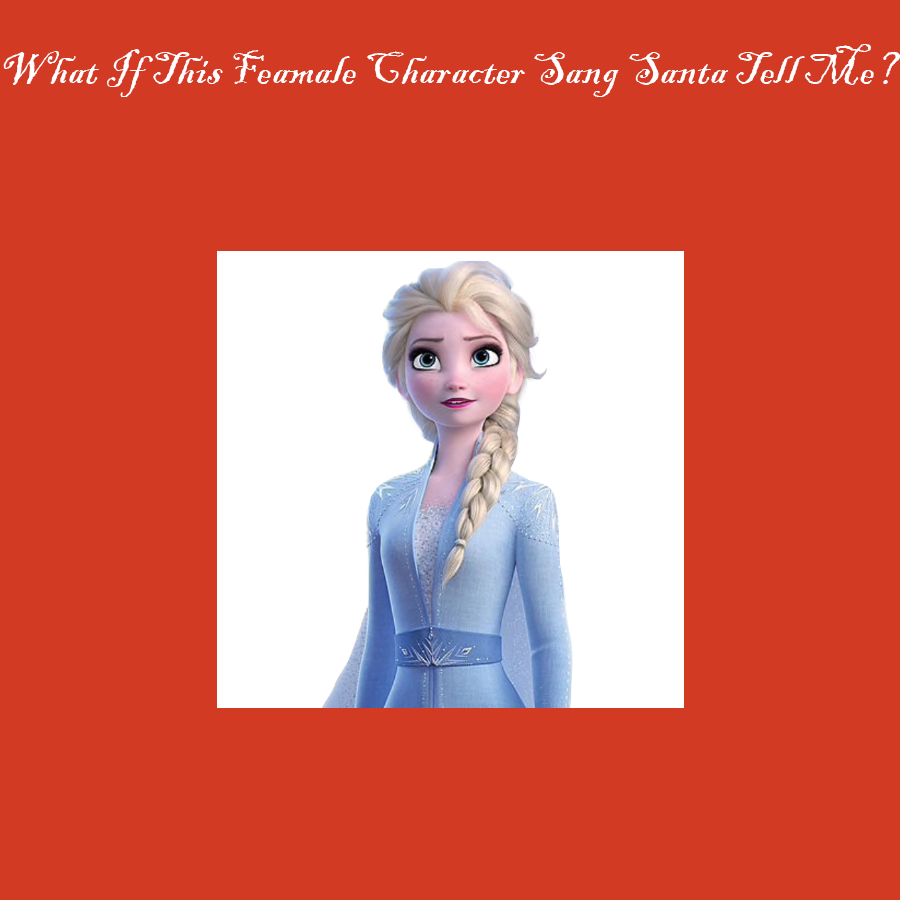
Elsa’s journey into the Enchanted Forest and the ancient land of Northuldra is a quest for identity. She discovers that her magic is not an anomaly but a connection to the elemental spirits of the forest: Earth, Air, Fire, and Water. Through a series of revelations, she learns that she is the "Fifth Spirit," a magical bridge between humanity and nature, destined to restore balance between the two worlds. Her powers are not just ice and snow, but a deeper, more profound connection to the very essence of the world. This discovery reshapes her understanding of herself and her purpose. Her transformation is also visually represented by her striking new outfit, symbolizing her full embrace of her elemental nature.
A New Path: Queen of the Enchanted Forest
By the end of Frozen II, Elsa makes a monumental decision: she abdicates the throne of Arendelle, passing the crown to Anna. She chooses to remain in the Enchanted Forest, fully embracing her role as the Fifth Spirit, protecting the balance between the natural world and Arendelle. This choice signifies her complete self-acceptance and the realization that her true purpose lies beyond the confines of a royal title. It’s a powerful statement about finding one’s authentic path, even if it diverges from traditional expectations, and it’s a crucial part of understanding what makes her unique when you "tell me about elsa."
The Remarkable Powers of Elsa: Ice and Snow Magic
Elsa’s magical abilities are central to her character and her story. Her powers are versatile and incredibly potent, evolving significantly throughout her journey.
Initially, her powers are wild and uncontrolled, manifesting as accidental freezing and creating dangerous spikes. However, as she learns to embrace them, her control becomes masterful. She can:
- Generate ice and snow: From delicate snowflakes to massive blizzards.
- Conjure ice structures: She can build intricate ice palaces, bridges, and even clothing.
- Create living snow beings: Marshmallow, a giant snow monster, and the adorable Snowgies are products of her magic.
- Manipulate existing ice: She can reshape and animate ice with precision.
- Elemental connection: In Frozen II, her powers are shown to be an intrinsic link to the fundamental forces of nature. She can calm the wind spirit, traverse the dark sea on an ice horse (Nokk), and even briefly freeze the fire spirit, Bruni.
Her powers are not just for show; they are deeply tied to her emotional state. Fear restricts and makes them dangerous, while Fashion nova blouses and tops unveiling the sensational styles youll adore love and self-acceptance allow them to flourish beautifully and beneficially.
Cultural Impact and Legacy: Why Elsa Resonates
Elsa’s impact extends far beyond the screen. She has become a cultural phenomenon and a significant figure in modern animation.
- Symbol of Empowerment: Elsa’s journey from fear to freedom, and her choice to forge her own path, resonates deeply with audiences, particularly young girls. She teaches that true strength comes from within, from accepting one’s unique qualities, rather than conforming to others’ expectations.
- Redefining "Princess": She broke the mold of the traditional Disney princess narrative, focusing on self-discovery and sisterly love rather than romantic love.
- "Let It Go" Anthem: The song became a global phenomenon, an anthem for liberation and self-expression, earning an Academy Award for Best Original Song.
- Pop Culture Icon: Elsa’s image is ubiquitous, appearing in merchandise, theme park attractions (like Frozen Ever After at Epcot), and even a Broadway musical. Her distinctive platinum braid and sparkling blue dress are instantly recognizable.
- Complex Characterization: Her internal struggles, her growth, and her eventual embrace of her destiny offer a rich, multi-layered character that stands the test of time.
To "tell me about elsa" is to speak of a character who genuinely changed the landscape of animated heroines, proving that vulnerability and power can coexist beautifully.
People Also Ask: Common Questions About Elsa
Here are some frequently asked questions about Elsa, shedding further light on her character:
Where does Elsa live?
Initially, Elsa lives in the castle of Arendelle as its Queen. By the end of Frozen II, she abdicates the throne and chooses to live in the Enchanted Forest, embracing her role as the Fifth Spirit and protector of the magical lands.
Is Elsa a Disney princess or queen?
Elsa starts as a princess (heir to the throne), becomes the Queen of Arendelle, and then ultimately chooses to become the Queen of the Enchanted Forest and the Fifth Spirit. So, she is both a princess by birthright and a queen by destiny and choice.
What are Elsa’s personality traits?
Elsa is initially reserved, anxious, and fearful due to her powers. However, she is also deeply loving, protective (especially of Anna), intelligent, artistic, and graceful. As her journey progresses, she becomes brave, confident, compassionate, self-assured, and adventurous, embracing her true self with quiet strength.
How old is Elsa?
In Frozen, Elsa is 21 years old. In Frozen II, which takes place three years later, she is 24 years old.
Does Elsa have a love interest?
No, Elsa does not have a romantic love interest in either Frozen or Frozen II. Her stories focus on self-love, sisterly love, and discovering her own identity and purpose, rather than finding a romantic partner. This aspect further distinguishes her from many traditional Disney heroines.
LSI Keywords and Related Terms to Enhance Your Understanding of Elsa:
To truly grasp the depth of Elsa’s character, it’s helpful to consider these related concepts and latent semantic indexing (LSI) keywords that enrich her story:
- Arendelle: The kingdom she rules and protects.
- Anna: Her beloved younger sister, whose unwavering love is central to Elsa’s redemption.
- Olaf: The cheerful, sentient snowman she magically creates, symbolizing innocent love and joy.
- Kristoff & Sven: Anna’s companions who indirectly support Elsa’s journey.
- Northuldra: The indigenous people of the Enchanted Forest, connected to Elsa’s heritage.
- Enchanted Forest: The magical realm where Elsa discovers her true destiny.
- Elemental Spirits: The powerful beings (Earth, Air, Fire, Water) with whom Elsa shares a deep connection as the Fifth Spirit.
- Self-acceptance: The core theme of her character arc, moving from hiding to embracing her true self.
- Sisterhood: The unbreakable bond between Elsa and Anna, which proves to be the most powerful force in their world.
- Disney Animation: The studio behind her creation, known for pushing boundaries in storytelling and visuals.
- Magical Realism: The blend of fantastical elements with relatable human emotions.
- Overcoming Fear: A central struggle that defines her early life and her ultimate triumph.
- Empowerment Anthem: A descriptor for "Let It Go" and "Into the Unknown," inspiring confidence and self-expression.
- Character Development: The significant growth and evolution Elsa undergoes across both films.
These terms highlight the intricate tapestry of themes and relationships that make Elsa such a compelling and enduring character.
The Enduring Charm of Elsa
When you "tell me about elsa," you’re not just asking for a summary of a character; you’re exploring a modern legend. Elsa’s journey from a frightened queen burdened by her powers to a confident, self-accepting protector of the Enchanted Forest is a powerful testament to finding strength in vulnerability and embracing one’s true self. Her story, rich with magic, emotion, and unforgettable songs, continues to inspire millions, reminding us all that sometimes, the greatest act of love is to simply let yourself be.
What aspect of Elsa’s incredible journey resonates most with you? Share your thoughts and let her magic continue to inspire!
FAQ: Quick Answers to Your Elsa Questions
Q: What kind of magic does Elsa have?
A: Elsa has cryokinetic powers, meaning she can generate, manipulate, and control ice and snow. She can create intricate ice structures, summon blizzards, and even bring snow beings to life.
Q: Who is Elsa’s sister?
A: Elsa’s younger sister is Anna, the optimistic and adventurous Princess (and later Queen) of Arendelle.
Q: What is Elsa’s main conflict?
A: Elsa’s main conflict is her struggle to control and accept her magical powers, initially fearing them and isolating herself, but ultimately learning to embrace them through love and self-acceptance.
Q: Did Elsa get married?
A: No, Elsa does not get married in either Frozen or Frozen II. Her story focuses on her personal growth, self-discovery, and her relationship with her sister, rather than romance.
Q: What is Elsa’s role in Frozen II?
A: In Frozen II, Elsa embarks on a quest to discover the origin of her powers and a mysterious voice calling to her. She ultimately learns she is the Fifth Spirit, a magical bridge between humanity and nature, and abdicates her throne to live in the Enchanted Forest as its protector.