Milan: The Unrivaled italian fashion capital to italians nyt
When one thinks of Italy, images of ancient ruins, Renaissance art, and delectable cuisine often spring to mind. But for Italians themselves, particularly when it comes to style and elegance, one city reigns supreme, unequivocally holding the title of the italian fashion capital to italians nyt: Milan. Far from being just a global fashion hub, Milan embodies the very essence of Italian sartorial excellence, a blend of heritage, innovation, and an innate sense of beauty that resonates deeply with the national psyche. It’s a city where fashion isn’t just an industry; it’s a way of life, a cultural cornerstone, and a source of immense national pride. This article delves into why Milan commands such respect and affection, exploring its historical roots, its contemporary dynamism, and its profound significance to the Italian people.
More Than Just Trends: Milan’s Deep Roots in Italian Identity
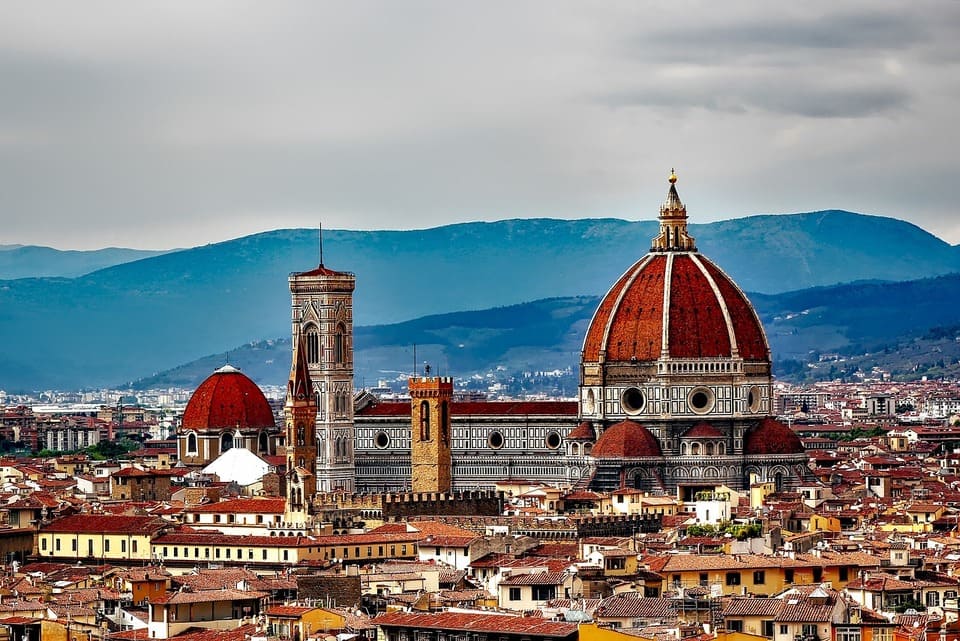
Milan’s stature as the italian fashion capital to italians nyt isn’t a recent phenomenon. It’s a legacy built over centuries, intertwined with Italy’s artistic and economic development. While Florence boasted Renaissance grandeur and Rome Romanesque magnificence, Milan carved its niche as a center of commerce, innovation, and precise craftsmanship. This meticulous attention to detail and a pragmatic yet elegant approach to design laid the groundwork for its future as a fashion powerhouse.
A Legacy Forged in Craftsmanship and Artistry
The foundation of Italian fashion, and by extension Milanese dominance, lies in its unparalleled tradition of craftsmanship. Generations of artisans, from tailors and shoemakers to leatherworkers and jewelers, have honed skills passed down through families. This commitment to quality, technique, and artistic expression forms the bedrock of "Made in Italy" excellence, a label revered worldwide and cherished by Italians. Milan became the crucible where these individual talents converged, creating an environment ripe for the birth of global fashion brands. This historical trajectory means that when Italians consider their fashion capital, they’re not just looking at fleeting trends; they’re acknowledging a profound cultural heritage.
From Artisanal Workshops to Global Catwalks
The transformation from local artisanal workshops to international luxury fashion houses was a gradual but powerful one. Post-World War II, as Italy rebuilt, its nascent fashion industry began to flourish, driven by visionary designers like Micol Fontana, Emilio Pucci, and later, the revolutionary figures like Giorgio Armani and Gianni Versace. These pioneers understood how to blend traditional Italian craftsmanship with contemporary design, creating garments that were both luxurious and wearable. Milan, with its strategic location, strong industrial base, and sophisticated urban environment, became the natural home for these emerging talents, solidifying its role as the italian fashion capital to italians nyt.
The Pulsating Heart of Italian Style: Milan Fashion Week
If Milan is the heart of Italian fashion, then Milan Fashion Week is its vibrant, pulsating beat. Twice a year, the city transforms into a global spectacle, drawing designers, buyers, journalists, and celebrities from every corner of the globe. But for Italians, it’s more than just an international event; it’s a national celebration, a moment when their culture, creativity, and enduring sense of style are showcased on the world stage.
A Spectacle for the World, a Celebration for Italians
Milan Fashion Week (Settimana della Moda di Milano) is one of the "Big Four" fashion weeks, alongside Paris, New York, and London. However, its character is distinctly Italian. It’s known for its focus on sophisticated prêt-à-porter, showcasing ready-to-wear collections that are both avant-garde and commercially viable. For Italians, watching their beloved designers—from established titans like Prada, Gucci, and Dolce & Gabbana to exciting new talents—unveil their latest creations is a source of immense pride. It reaffirms Milan’s position as the italian fashion capital to italians nyt, a place where trends are born, and fashion history is made. The energy is palpable, a mix of high-stakes business and joyful celebration of artistic expression.
The Power of Prêt-à-Porter and High Fashion
While haute couture finds its spiritual home in Paris, Milan has perfected the art of high-end prêt-à-porter. This focus means that the fashion shown in Milan, while luxurious and aspirational, is also designed with a sense of wearability and modern elegance that resonates deeply with the Italian sensibility. It’s about exquisite fabrics, impeccable tailoring, and a refined aesthetic that transcends fleeting fads. This practical yet luxurious approach is why Italians view Milan as their true fashion compass, dictating not just what’s trendy, but what’s enduringly stylish. The influence of Milan Fashion Week extends far beyond the runways, shaping global retail trends and influencing how Italians themselves dress and perceive style.
Beyond the Runways: The Milanese Lifestyle and Aesthetic
Milan’s influence as the italian fashion capital to italians nyt extends far beyond the controlled environment of fashion shows. It permeates the city’s very fabric, influencing its architecture, its design culture, and the impeccable style of its inhabitants.
Quadrilatero della Moda: A Sanctuary of Luxury
At the heart of Milan’s fashion district lies the Quadrilatero della Moda (Fashion Quadrilateral), a glittering rectangle formed by Via Montenapoleone, Via della Spiga, Via Sant’Andrea, and Via Manzoni. This isn’t just a shopping district; it’s a pilgrimage site for fashion aficionados and a symbol of Milanese luxury. Here, every major Italian and international fashion house has a flagship store, each a testament to design and opulence. For Italians, strolling through the Quadrilatero is an experience in itself, a testament to the nation’s ability to create and showcase beauty at its finest. It solidifies the city’s identity as the italian fashion capital to italians nyt, a place where luxury is both an art form and an accessible (albeit aspirational) part of urban life.
Street Style: The True Barometer of Milanese Chic
While runway shows set the tone, it’s the street style of Milan that truly captures the essence of Italian fashion for Italians. Milanese citizens, from students to seasoned professionals, embody an effortless elegance, a refined casualness that is uniquely Italian. It’s about quality over quantity, well-chosen accessories, and an innate understanding of how to dress for impact without appearing ostentatious. This everyday chic is a living, breathing testament to Milan’s pervasive influence and demonstrates why it is truly the italian fashion capital to italians nyt. The attention to detail, the quality of fabrics, and the sophisticated color palettes seen on the streets reflect the values championed by the city’s design houses.
Design and Innovation: Fueling Fashion’s Future
Milan is not just about historical legacy; it’s a city constantly looking forward. Its strong design culture, extending beyond fashion to furniture, architecture, and industrial design, fosters an environment of continuous innovation. Fashion education in Milan is top-tier, with institutions like Istituto Marangoni and Politecnico di Milano nurturing the next generation of talent. This blend of tradition and forward-thinking ensures that Milan remains at the cutting edge, reinforcing its position as the dynamic and evolving italian fashion capital to italians nyt. The synergy between established luxury brands and emerging designers keeps the fashion ecosystem vibrant and relevant.
What Makes Milan the True italian fashion capital to italians nyt?
Several intertwined factors cement Milan’s status in the hearts and minds of Italians.
The Synergy of Creativity and Commerce
Milan perfectly balances artistic vision with commercial acumen. It’s a city where creativity is encouraged, but also where business operations are streamlined, making it an ideal environment for fashion enterprises to thrive. This pragmatic approach, combined with a deep appreciation for aesthetics, allows Italian fashion to be both beautiful and profitable, driving the national economy and enhancing Italy’s global reputation. This dual strength is critical for its enduring role as the italian fashion capital to italians nyt.
Preserving "Made in Italy" Excellence
The commitment to "Made in Italy" is a point of national pride, and Milan is its standard-bearer. This label signifies not just a geographical origin, but a guarantee of quality, craftsmanship, and ethical production. Milanese brands are fierce guardians of this reputation, ensuring that the essence of Italian artistry is preserved and celebrated. For Italians, this commitment to authenticity and quality is paramount, making Milan the undeniable choice.
A Hub for Aspiring Talent and Established Icons
From aspiring students hoping to break into the industry to the world’s most renowned fashion designers, Milan offers a fertile ground for growth and expression. It’s a place where tradition meets modernity, where heritage brands coexist with avant-garde newcomers. This vibrant ecosystem ensures a constant flow of fresh ideas and maintains Milan’s dynamic edge as the italian fashion capital to italians nyt.
People Also Ask (PAA) about Milan as Italy’s Fashion Capital
Drawing from common search queries, here are some insights into how Milan is perceived:
Q1: Why is Milan considered the fashion capital of Italy?
A1: Milan is considered the fashion capital of Italy due to its rich history in textile production and design, its strategic role in post-WWII industrial growth, its concentration of major fashion houses and luxury brands, and its globally recognized Milan Fashion Week. It perfectly blends high-end craftsmanship with modern design and commercial viability.
Q2: How do Italians view Milan’s fashion status compared to other cities like Rome or Florence?
A2: While Rome and Florence have New dresses for women unveiling the spectacular of tomorrow historical sartorial traditions and host important events (like AltaRoma for haute couture), Italians overwhelmingly see Milan as the undisputed, dynamic, and commercial heart of contemporary fashion. Milan dictates trends and houses the industry’s major players, making it the central hub for modern Italian style and global fashion influence.
Q3: What role does Milan Fashion Week play for the Italian fashion industry?
A3: Milan Fashion Week is crucial. It serves as the primary international platform for Italian designers to showcase their prêt-à-porter collections to a global audience of buyers, media, and industry insiders. It generates significant economic activity, sets global fashion trends, and reinforces Italy’s reputation for luxury and design excellence.
Q4: Is Milan’s fashion scene accessible to everyone, or only high-end?
A4: While Milan is synonymous with luxury and high fashion, its fashion scene is surprisingly diverse. Beyond the exclusive boutiques of the Quadrilatero della Moda, there are numerous independent shops, concept stores, and more affordable Italian brands. Street style in Milan also showcases how accessible good taste and quality fashion can be, inspiring everyone to embrace Italian chic.
Conclusion
For Italians, Milan is more than just a city; it’s a living testament to their enduring passion for beauty, craftsmanship, and innovation. It’s the place where history and modernity intertwine to create a unique fashion narrative that resonates both locally and globally. From the intricate artistry of "Made in Italy" to the pulsating energy of Milan Fashion Week, the city embodies an unparalleled legacy of style. It is, without a doubt, the italian fashion capital to italians nyt, a source of immense pride and an eternal beacon of elegance. So, next time you think of Italian fashion, remember Milan – the vibrant, dynamic, and truly unrivaled heart of Italian style. What aspects of Milanese fashion resonate most with you? Share your thoughts and help us celebrate this magnificent city!
FAQ: Understanding Milan, the italian fashion capital to italians nyt
Q1: What are the main fashion districts in Milan?
A1: The primary fashion district is the "Quadrilatero della Moda" (Fashion Quadrilateral), encompassing streets like Via Montenapoleone, Via della Spiga, Via Sant’Andrea, and Via Manzoni. Other areas like Brera also offer boutique shopping.
Q2: Which famous Italian designers are associated with Milan?
A2: Many iconic Italian designers are synonymous with Milan, including Giorgio Armani, Gianni Versace, Miuccia Prada, Domenico Dolce & Stefano Gabbana, Donatella Versace, Alessandro Michele (Gucci), and many more. Their headquarters and flagship stores often reside here.
Q3: Can tourists experience Milan’s fashion scene?
A3: Absolutely! Tourists can explore the Quadrilatero della Moda for luxury shopping, visit concept stores, enjoy window shopping, observe the stylish Milanese street style, and even attend public exhibitions or smaller fashion events if timed right.
Q4: How does Milan compare to Paris or New York as a fashion capital?
A4: Milan is renowned for its focus on high-end prêt-à-porter, impeccable tailoring, and luxurious fabrics, embodying a sophisticated and wearable elegance. Paris is known for haute couture and avant-garde artistry, while New York is celebrated for its commerciality, streetwear, and diverse market. Each city has its distinct identity and contribution to the global fashion landscape.