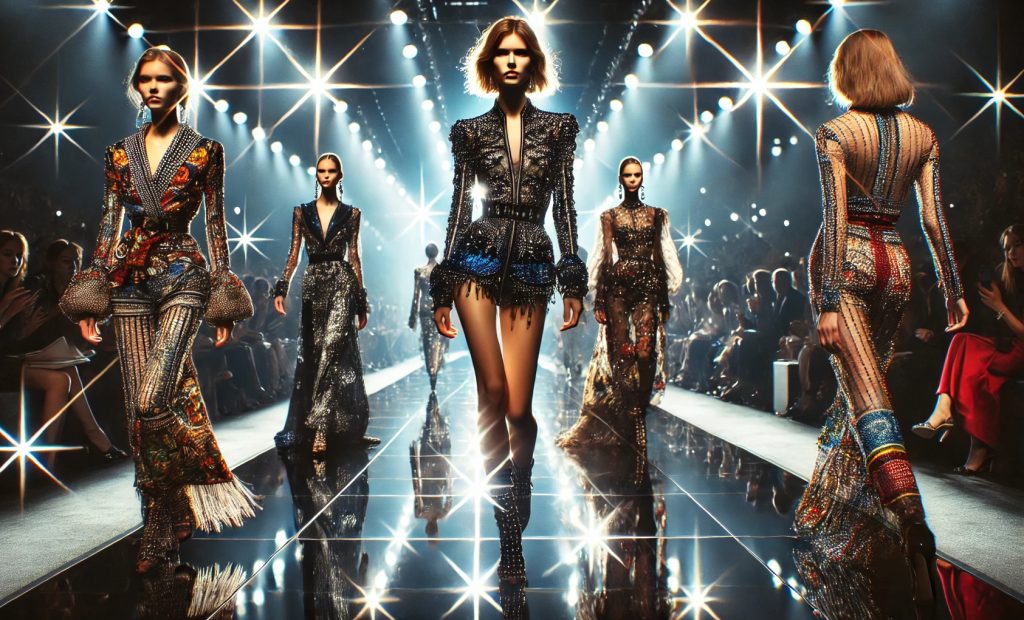
The fashion industry, a dazzling realm of creativity and innovation, has long grappled with a darker underbelly: the exploitation of its most vulnerable workers. From dimly lit factories to grueling hours and insufficient pay, the human cost behind our coveted garments has often been hidden. But a new dawn is breaking in New York, a state synonymous with global fashion trends. The NYS DOL Fashion Workers Act stands as a monumental legislative effort, promising to usher in an era of unprecedented transparency, accountability, and fairness for those who stitch, cut, and craft our clothes. This isn’t just another piece of legislation; it’s a vibrant testament to the power of advocacy, a beacon of hope, and a crucial step towards a truly ethical and sustainable fashion ecosystem. Let’s delve into how this groundbreaking act is set to revolutionize the very fabric of the industry.
Understanding the Core of the NYS DOL Fashion Workers Act
For too long, the fashion supply chain has been a labyrinth of subcontractors and opaque practices, making it incredibly difficult to trace responsibility when workers faced exploitation. The NYS DOL Fashion Workers Act aims to dismantle this opacity, creating a clearer path to justice and ensuring that the hands that create fashion are treated with the dignity and respect they deserve.
What is the Fashion Workers Act?
At its heart, the Fashion Workers Act is a comprehensive piece of legislation designed to protect garment workers in New York State. It expands upon existing labor laws, specifically targeting the unique challenges faced by individuals in the apparel manufacturing sector. The Act introduces stringent requirements for wage payment, health and safety standards, and, critically, establishes joint liability throughout the supply chain. This means that not only the direct employer but also the brands and retailers who contract the work can be held responsible for violations. It’s a bold move that shifts the burden of ethical production squarely onto the shoulders of those who profit most from the industry.
Why Was the NYS DOL Fashion Workers Act Needed?
The need for such an act has been glaringly evident for decades. The "race to the bottom" in garment manufacturing, driven by consumer demand for ever-cheaper clothing and brands’ relentless pursuit of higher profits, has led to systemic issues. Wage theft, where workers are paid less than minimum wage or not at all for their hours, has been rampant. Unsafe working conditions, including exposure to hazardous chemicals, inadequate ventilation, and dangerous machinery, have been commonplace. Furthermore, workers often faced retaliation for speaking up about abuses, trapped in a cycle of fear and silence.
The COVID-19 pandemic further exposed these vulnerabilities, with many garment workers, deemed "essential," working in precarious conditions, often without adequate protective equipment or hazard pay. The NYS DOL Fashion Workers Act directly addresses these historical and ongoing injustices, recognizing that true progress in fashion cannot come at the expense of human rights. It’s a legislative response to a long-standing ethical crisis, a proactive measure to ensure that the vibrant world of fashion is built on a foundation of fairness, not exploitation.
Key Provisions and Protections Offered by the NYS DOL Fashion Workers Act
The brilliance of the NYS DOL Fashion Workers Act lies in its multi-faceted approach, tackling various aspects of worker exploitation with specific, enforceable provisions. These measures are designed to create a robust safety net for garment workers and compel brands to adopt more responsible practices.
Wage Guarantees and Payment Transparency
One of the cornerstone provisions of the Act is its focus on ensuring fair wages. It mandates that garment workers must be paid at least the minimum wage and overtime, and crucially, it eliminates the piece-rate system unless specific conditions are met to ensure workers still earn at least minimum wage. This is a significant change, as the piece-rate system has historically been a major contributor to wage theft, pushing workers to produce at unsustainable speeds for meager earnings. The Act also requires detailed record-keeping regarding hours worked and wages paid, enhancing transparency and making it easier to identify and rectify underpayment.
Health and Safety Standards
The Act strengthens health and safety protections for garment workers, requiring employers to provide a safe working environment free from recognized hazards. This includes proper ventilation, access to clean water and sanitation facilities, and safe machinery. It also empowers the New York State Department of Labor (NYS DOL) to conduct inspections and enforce these standards vigorously, ensuring that the physical well-being of workers is prioritized over production quotas.
Supply Chain Accountability (Brand Responsibility and Due Diligence)
Perhaps the most revolutionary aspect of the NYS DOL Fashion Workers Act is its establishment of joint liability. This provision holds brands and retailers accountable for wage violations and other abuses occurring at any tier of their supply chain within New York. Brands can no longer claim ignorance of their contractors’ practices. They are now required to conduct due diligence to ensure that their manufacturing partners comply with labor laws. This forces brands to scrutinize their supply chains, fostering greater transparency and encouraging them to partner with ethical manufacturers. It’s a powerful mechanism to ensure that the responsibility for fair labor practices extends beyond the factory floor to the boardrooms of major fashion houses.
Anti-Retaliation Measures
Recognizing the fear many workers face when reporting abuses, the Act includes strong anti-retaliation provisions. It protects workers from being fired, demoted, or otherwise penalized for filing complaints, participating in investigations, or exercising their rights under the Act. This creates a safer environment for workers to speak up without fear of losing their livelihoods, which is essential for the effective enforcement of the law.
Joint Liability: A Game-Changer
The concept of "joint liability" under the NYS DOL Fashion Workers Act is a true game-changer. It means that if a garment manufacturer violates wage laws, the brand or retailer that contracted the work can also be held liable for those violations. This dramatically expands the scope of responsibility, making it far more difficult for brands to outsource their ethical obligations. It incentivizes brands to actively monitor their supply chains, choose responsible partners, and ensure fair labor practices are upheld at every stage of production. This provision is expected to have a ripple effect, driving significant improvements in working conditions across the industry.
The Impact on Different Stakeholders
The ripple effects of the NYS DOL Fashion Workers Act will be felt across the entire fashion ecosystem, bringing about significant changes for workers, businesses, and consumers alike.
For Fashion Workers: A New Era of Rights
For the thousands of garment workers in New York, the Act heralds a new era of protection and empowerment. It provides a clear legal framework for their rights, ensuring fair wages, safe working conditions, and protection against retaliation. This legislation offers a powerful tool for advocacy groups and unions to fight for justice, and it gives individual workers the confidence to demand what is rightfully theirs. The Act is not just about preventing exploitation; it’s about elevating the status and dignity of a workforce that has Pink maxi dress fashion nova unleash your inner goddess with stunning styles historically been marginalized.
For Fashion Brands and Manufacturers: Navigating New Responsibilities
For brands and manufacturers, the NYS DOL Fashion Workers Act presents both challenges and opportunities. The immediate challenge lies in adapting to stricter compliance requirements, conducting thorough due diligence, and potentially restructuring supply chain relationships. However, it also offers an opportunity to build stronger, more ethical brands. By embracing transparency and fair labor practices, companies can enhance their reputation, attract socially conscious consumers, and foster a more stable and motivated workforce. Proactive compliance will be key to avoiding penalties and building a sustainable business model in the long run.
For Consumers: Driving Ethical Choices
Consumers play a crucial role in driving change, and the NYS DOL Fashion Workers Act empowers them with greater assurance that their purchases are not contributing to exploitation. As brands become more transparent about their supply chains and labor practices, consumers will have more information to make informed, ethical choices. This Act supports the growing movement towards conscious consumption, where consumers demand not just style, but also integrity from the brands they support. It reinforces the idea that fashion can be both beautiful and responsible.
Navigating Compliance: What Businesses Need to Know
Compliance with the NYS DOL Fashion Workers Act is not merely a legal obligation; it’s an investment in the future of ethical fashion. Businesses operating within New York’s apparel manufacturing sector must understand and adhere to its provisions to avoid significant penalties and uphold their commitment to responsible practices.
Due Diligence Requirements
Under the Act, brands and manufacturers are required to perform robust due diligence on their contractors and subcontractors. This involves actively investigating and monitoring their supply chains to ensure compliance with labor laws, including wage, hour, and health and safety regulations. This isn’t a one-time check but an ongoing process that demands transparency and proactive engagement with all partners in the production process. Companies must be able to demonstrate that they have taken reasonable steps to prevent and address labor violations.
Record-Keeping and Reporting
Detailed record-keeping is paramount. Employers must maintain accurate records of all hours worked, wages paid, and other employment terms for each garment worker. This documentation is crucial for demonstrating compliance and for any potential investigations by the NYS DOL. The Act also includes provisions for reporting requirements, ensuring that the Department of Labor has the necessary data to monitor industry-wide adherence and identify areas of concern.
Penalties for Non-Compliance
The NYS DOL Fashion Workers Act carries significant penalties for non-compliance. These can include substantial fines, back pay for underpaid workers, and other legal repercussions. The joint liability provision means that brands, not just direct employers, can face these penalties, making the financial and reputational risks of non-compliance considerably higher. This punitive framework is designed to act as a strong deterrent, compelling businesses to prioritize ethical labor practices.
The Broader Implications of the NYS DOL Fashion Workers Act
While the NYS DOL Fashion Workers Act is specific to New York, its impact is likely to resonate far beyond state lines, potentially influencing national and even international discussions on labor rights in the fashion industry.
Setting a National Precedent?
New York, as a global fashion capital, has a unique opportunity to set a precedent. The success of the NYS DOL Fashion Workers Act could inspire similar legislation in other states and countries, creating a domino effect that pushes for greater accountability across the entire industry. As consumers increasingly demand ethical products, and as the environmental and social costs of fast fashion become undeniable, legislative efforts like this become more critical. New York is showing that it’s possible to legislate fairness into an industry often criticized for its exploitative practices.
Fostering a More Sustainable Fashion Ecosystem
Ethical labor practices are inextricably linked to sustainability. A truly sustainable fashion industry cannot exist if it relies on the exploitation of its workers. By ensuring fair wages, safe conditions, and transparency, the NYS DOL Fashion Workers Act contributes directly to a more holistic vision of sustainability. It encourages brands to invest in their workforce, foster long-term relationships with ethical manufacturers, and move away from the unsustainable model of constant, cheap production. This Act is a vital component in building a fashion future that is not only environmentally friendly but also socially just.
People Also Ask (Bing Search Questions & Answers)
Here are some common questions people ask about the New York Fashion Workers Act:
- What is the New York Fashion Workers Act?
The New York Fashion Workers Act is a landmark state law designed to protect garment workers by ensuring fair wages, safe working conditions, and establishing joint liability for brands and manufacturers across the supply chain. - When does the Fashion Workers Act go into effect?
The Act was signed into law in December 2022 and its provisions are being implemented in phases, with some aspects already in effect and others, particularly related to registration and due diligence, taking full effect in late 2023 and early 2024. - Who is covered by the NYS Fashion Workers Act?
The Act covers garment workers involved in the cutting, sewing, finishing, assembling, pressing, or otherwise producing apparel in New York State, as well as the manufacturers and brands that contract this work. - What are the key provisions of the NYS Fashion Workers Act?
Key provisions include guaranteeing minimum wage and overtime, eliminating piece-rate payment unless specific conditions are met, strengthening health and safety standards, requiring supply chain transparency and due diligence, and establishing joint liability for brands and manufacturers. - How does the NYS Fashion Workers Act protect garment workers?
It protects workers by ensuring fair pay, safe environments, preventing wage theft, offering anti-retaliation measures, and holding brands accountable for conditions throughout their supply chain, thereby creating a more just and secure working environment.
Frequently Asked Questions (FAQ)
- Q1: What is the primary goal of the NYS DOL Fashion Workers Act?
A1: Its primary goal is to combat wage theft and unsafe working conditions in the New York garment industry by increasing transparency and accountability for all parties in the supply chain. - Q2: Does the Act only apply to garment workers?
A2: Yes, it specifically targets workers involved in the manufacturing of apparel, including cutting, sewing, and finishing. - Q3: How can workers report violations?
A3: Workers can report violations directly to the New York State Department of Labor (NYS DOL), which is tasked with enforcing the Act’s provisions. - Q4: What is "joint liability" under the Act?
A4: Joint liability means that both the direct employer (e.g., a factory) and the brand or retailer that contracted the work can be held legally responsible for labor violations. - Q5: Is this law unique to New York?
A5: While other states have labor laws, New York’s Fashion Workers Act is unique in its comprehensive approach to supply chain accountability and joint liability specifically for the garment industry, making it a pioneering piece of legislation.
Conclusion
The NYS DOL Fashion Workers Act represents a monumental leap forward for human rights and ethical practices within the fashion industry. It’s a powerful reminder that behind every beautiful garment is a human story, and that those stories deserve to be told with dignity and fairness. By establishing robust protections, demanding transparency, and holding brands accountable, New York is not just regulating an industry; it’s cultivating a culture of respect and responsibility. This Act is a celebration of progress, a testament to the collective effort of advocates, workers, and lawmakers who envision a fashion world where style and ethics go hand-in-hand. We encourage everyone – from consumers to industry leaders – to learn more about this vital legislation and champion its principles, ensuring that the revolution it sparks continues to flourish, creating a truly just and sustainable future for fashion. Share this article to spread awareness and support the ongoing movement towards a more ethical fashion industry!