Prepare to be swept away by an unparalleled wave of elegance, innovation, and timeless beauty as the world gears up for the Italian Fashion Centenary 2026. This isn’t just a date on the calendar; it’s a monumental milestone, a vibrant testament to a hundred years of Italy’s indelible mark on global style. From the quiet ateliers where master artisans meticulously crafted dreams into reality, to the glittering runways of Milan that dictate trends for the seasons to come, Italian fashion has consistently championed exquisite quality, audacious creativity, and an unwavering commitment to beauty. The upcoming Italian Fashion Centenary 2026 promises to be a spectacular journey through history, a vibrant showcase of the present, and an inspiring glimpse into the future of an industry that truly defines ‘Made in Italy.’
A Century of Unparalleled Elegance: Tracing Italy’s Fashion Roots
To understand the magnitude of the Italian Fashion Centenary 2026, one must delve into the rich tapestry of its past. While Fashion poncho for men unleash your style with this game changing trend Italy’s sartorial excellence has roots stretching back centuries, particularly in textiles and tailoring, the modern concept of Italian fashion as a distinct, globally influential entity began to truly coalesce in the mid-20th century.
From Artisanal Workshops to Global Runways
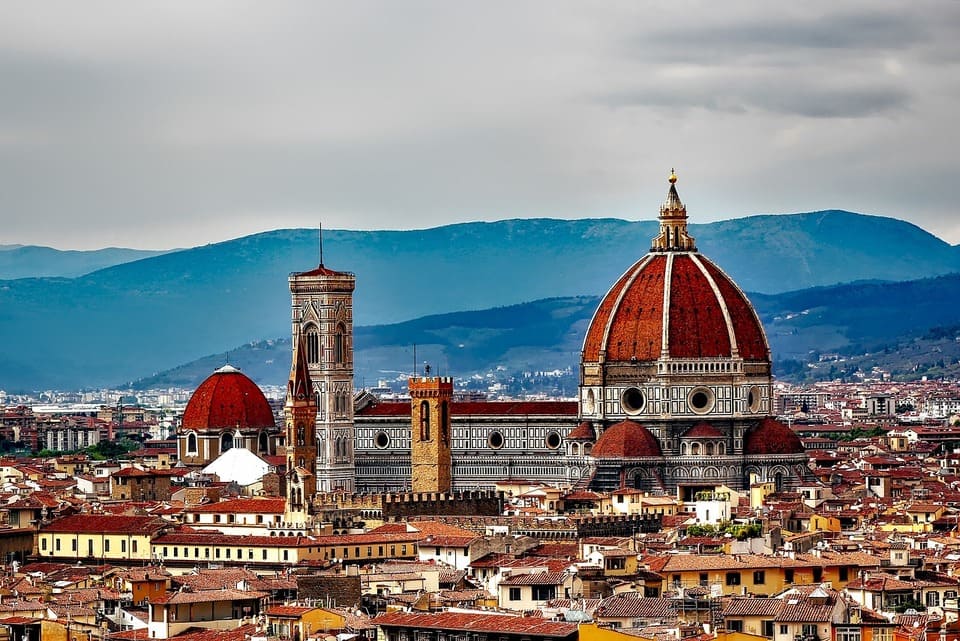
Before the grand fashion houses we know today dominated the scene, Italian fashion thrived in regional pockets of exceptional craftsmanship. Florence was renowned for its leather goods and artisanal skills, Rome for its alta moda (high fashion) for the jet set, and Milan for its textile prowess and later, its ready-to-wear innovation. These localized hubs, each with their unique specialties, laid the foundational stones for what would become a unified, powerful fashion identity. The early 20th century saw the gradual professionalization of these crafts, moving from bespoke commissions for local aristocrats to a more organized industry, albeit still largely overshadowed by Parisian dominance.
The Post-War Boom: "Made in Italy" Takes Center Stage
The true turning point arrived in the post-World War II era. As Europe rebuilt, Italy seized an opportunity to carve out its own niche in the global fashion landscape. The "Made in Italy" label began to emerge as a symbol of quality, design, and sophisticated craftsmanship. American buyers, seeking alternatives to the established (and often more expensive) French couture, discovered the burgeoning talent and exceptional value offered by Italian designers. This period saw the rise of iconic figures and brands that would soon become household names. The term "dolce vita" wasn’t just about a lifestyle; it encapsulated a new era of Italian glamour, effortlessly chic and undeniably desirable.
The Golden Age of Italian Haute Couture
The 1950s and 60s were a golden age for Italian alta moda. Rome, in particular, became a magnet for international celebrities and the global elite, drawn to the bespoke creations of designers like Valentino, Sorelle Fontana, and Emilio Schuberth. These designers dressed Hollywood stars on the sets of epic films shot in Cinecittà, further cementing Italy’s image as a land of cinematic glamour and exquisite style. While Paris maintained its reputation for rigid couture, Italy offered a more relaxed, yet equally luxurious, aesthetic – a style that resonated with a modern, confident woman.
Why 2026? Pinpointing the Centenary’s Significance
The choice of 2026 for this grand celebration isn’t arbitrary. While Italian fashion has a longer history, 2026 is widely recognized as marking approximately a century since Italian designers began to truly assert their independent identity on the international stage, distinct from French influence, and establishing the groundwork for the modern "Made in Italy" phenomenon.
The Birth of a Modern Fashion Identity
Historians and fashion experts often point to the interwar period and the immediate post-war years as the true genesis of modern Italian fashion. It was a time when Italian tailors, couturiers, and textile manufacturers began to consciously brand themselves, participating in international exhibitions and actively promoting a unique Italian aesthetic. The early fashion shows, though initially modest, were crucial in presenting a unified front and showcasing Italy’s collective strength in design and production. The Italian Fashion Centenary 2026 acknowledges this pivotal era of self-definition and the burgeoning confidence that would soon catapult Italy to the forefront of the fashion world.
Key Moments and Milestones Leading to 2026
From Giovanni Battista Giorgini’s groundbreaking first fashion show in Florence in 1951, which invited international press and buyers, to the establishment of the Camera Nazionale della Moda Italiana (National Chamber of Italian Fashion) in 1958, numerous milestones have shaped Italian fashion. The development of prêt-à-porter (ready-to-wear) in Milan in the 1970s further democratized Italian style, making its luxury accessible to a wider audience. Each decade brought new visionaries – from the sculptural forms of Capucci to the revolutionary minimalism of Armani, the provocative glamour of Versace, and the intellectual chic of Prada. The Italian Fashion Centenary 2026 will undoubtedly honor these pivotal moments and the visionary individuals behind them.
The Pillars of Italian Fashion: Craftsmanship, Innovation, and Heritage
The enduring success and global reverence for Italian fashion are built upon a formidable trifecta: unparalleled craftsmanship, relentless innovation, and a profound respect for heritage. These elements are not merely buzzwords; they are the very soul of "Made in Italy."
The Enduring Legacy of "Fatto a Mano" (Handmade)
At the heart of Italian luxury lies the concept of "fatto a mano" – handmade. This isn’t just about manual labor; it’s about a multi-generational transmission of skills, an innate understanding of materials, and an obsessive attention to detail. From the intricate embroidery of alta moda gowns to the perfectly stitched leather of a designer handbag, the human touch elevates Italian products to an art form. This commitment to artisanal excellence ensures durability, uniqueness, and a level of quality that is increasingly rare in a fast-fashion world. The Italian Fashion Centenary 2026 will highlight how this traditional craftsmanship remains a vital, irreplaceable asset.
Pioneering Textile Technology and Design
While celebrating tradition, Italian fashion has simultaneously been a hotbed of textile innovation. Italian mills are renowned worldwide for producing some of the finest fabrics, from luxurious silks and cashmeres to innovative technical materials. Designers consistently push boundaries, experimenting with new weaves, finishes, and sustainable fibers. This synergy between ancient techniques and cutting-edge technology allows Italian brands to create products that are both exquisitely traditional and remarkably forward-thinking, a balance that will be a key theme during the Italian Fashion Centenary 2026.
Iconic Designers and Their Revolutionary Impact
The pantheon of Italian fashion designers is populated by visionaries who have not only dressed the world but also shaped its aesthetic sensibilities.
- Gucci: From equestrian heritage to maximalist luxury, a master of reinvention.
- Prada: Intellectual chic, minimalist sophistication, and a keen eye for cultural commentary.
- Armani: The architect of understated elegance, revolutionizing power dressing.
- Versace: Bold, opulent, and unapologetically sensual, defining supermodel glamour.
- Valentino: The emperor of red, synonymous with romanticism and timeless beauty.
- Fendi: Masters of fur and leather, evolving into a global luxury powerhouse.
- Dolce & Gabbana: Celebrating Sicilian heritage, sensuality, and exuberant Italian joy.
These names, and many others, represent the diverse expressions of Italian creativity. Their legacies, their ongoing impact, and their future directions will be central to the narrative of the Italian Fashion Centenary 2026.
italian fashion centenary 2026: Looking Forward – Trends and Transformations
The Italian Fashion Centenary 2026 is not just about looking back; it’s a powerful launchpad for the next century of Italian style. The industry is rapidly evolving, driven by new consumer values, technological advancements, and a heightened global consciousness.
Sustainability and Ethical Fashion: A New Imperative
Environmental responsibility and ethical production are no longer optional but essential. Italian brands, long celebrated for their quality and longevity, are increasingly investing in sustainable practices, from sourcing eco-friendly materials to implementing transparent supply chains and promoting circular fashion models. The Italian Fashion Centenary 2026 will likely showcase groundbreaking initiatives in this area, demonstrating how luxury can coexist with ecological stewardship. Expect discussions and exhibitions centered around traceability, upcycling, and responsible consumption.
Digitalization and the Metaverse: Redefining Engagement
The digital revolution has profoundly impacted how fashion is created, presented, and consumed. Italian brands are embracing virtual fashion shows, NFT collections, and immersive metaverse experiences. The Italian Fashion Centenary 2026 will explore how digital tools are enhancing creativity, broadening accessibility, and forging new connections with a tech-savvy generation, all while maintaining the tactile luxury for which Italy is famous.
Inclusivity and Diversity: The Evolving Face of Beauty
The fashion world is becoming more inclusive, celebrating a wider range of body types, ethnicities, and gender identities. Italian designers are increasingly reflecting this shift in their casting, campaigns, and collections. The Italian Fashion Centenary 2026 will be an opportunity to highlight progress in diversity and underscore Italy’s commitment to representing the multifaceted beauty of the modern world.
The Future of "Made in Italy" in a Globalized World
In an interconnected world, the "Made in Italy" label faces both challenges and opportunities. While globalization can lead to production outside Italy, the core values of Italian design, craftsmanship, and innovation remain paramount. The Italian Fashion Centenary 2026 will address how Italian brands are safeguarding their heritage while expanding their global reach, ensuring that the essence of "Made in Italy" transcends geographical boundaries.
Celebrating in Style: Anticipated Events and Exhibitions for italian fashion centenary 2026
The anticipation for the Italian Fashion Centenary 2026 is palpable, with preparations undoubtedly underway for a year-long extravaganza that will captivate fashion enthusiasts, industry professionals, and tourists alike.
Milan, Florence, and Rome: The Epicenters of Celebration
Italy’s three fashion capitals will serve as the primary stages for the centenary celebrations.
- Milan: As the undisputed capital of ready-to-wear, Milan will host spectacular fashion shows, retrospective exhibitions by major houses, and futuristic showcases exploring innovation and sustainability.
- Florence: The cradle of Italian Renaissance and artisanal craft, Florence will likely focus on the heritage of craftsmanship, leather goods, and textile innovation, possibly through special editions of Pitti Uomo and curated museum exhibits.
- Rome: The historical heart of alta moda, Rome might emphasize the glamour of couture, film connections, and grand celebratory galas reminiscent of the "dolce vita" era.
Special Collections and Collaborations
Expect iconic Italian brands to unveil exclusive centenary collections, limited-edition pieces, and groundbreaking collaborations that honor their heritage while pushing creative boundaries. These might include capsule collections that reinterpret archival designs or partnerships with contemporary artists and designers.
Educational Initiatives and Archival Showcases
The Italian Fashion Centenary 2026 will also be an invaluable opportunity for education. Universities, fashion schools, and cultural institutions will likely host seminars, workshops, and archival exhibitions, providing deeper insights into the history, craft, and business of Italian fashion. Documentaries, books, and digital content will further enrich the narrative, making the centenary accessible to a global audience.
People Also Ask (PAA) – Bing Search Insights
Here are some common questions people ask about Italian fashion, which will be central to the Italian Fashion Centenary 2026 discussions:
When did Italian fashion become famous?
Italian fashion began gaining significant international recognition in the post-World War II era, particularly from the 1950s onwards, with events like Giovanni Battista Giorgini’s first fashion show in Florence in 1951 playing a crucial role in establishing its distinct identity and appeal to a global audience.
What is the significance of "Made in Italy"?
"Made in Italy" signifies unparalleled quality, exquisite craftsmanship, innovative design, and a strong cultural heritage. It represents products that are designed, manufactured, and finished to the highest standards within Italy, often incorporating traditional artisanal techniques with modern technology.
Who are the most influential Italian fashion designers?
Some of the most influential Italian fashion designers include Giorgio Armani, Miuccia Prada, Donatella Versace, Valentino Garavani, Domenico Dolce & Stefano Gabbana, Guccio Gucci, Salvatore Ferragamo, and Elsa Schiaparelli. Their vision and creativity have profoundly shaped global style.
How is Italian fashion different from French fashion?
While both are renowned for luxury, French fashion (especially Parisian haute couture) traditionally emphasized a more formal, structured, and often avant-garde aesthetic. Italian fashion, in contrast, is often characterized by its relaxed elegance, sensual appeal, exceptional craftsmanship, vibrant colors, and a strong focus on high-quality textiles and ready-to-wear luxury.
What are the upcoming trends in Italian fashion?
Upcoming trends in Italian fashion, particularly as highlighted by the Italian Fashion Centenary 2026, include a strong emphasis on sustainability, ethical production, circular fashion, digital innovation (metaverse, NFTs), inclusivity, and the continued fusion of traditional craftsmanship with cutting-edge technology.
The Global Impact of italian fashion centenary 2026
The Italian Fashion Centenary 2026 is not merely a domestic celebration; it’s a global event that underscores Italy’s profound and ongoing influence on the international stage.
Influencing International Design and Culture
Italian fashion has consistently inspired designers, artists, and consumers worldwide. Its emphasis on quality, elegance, and innovative design has shaped aesthetic preferences across continents. From the cut of a tailored suit to the vibrant palette of a summer collection, Italian sensibilities permeate global fashion trends. The centenary will reinforce this cultural exchange and inspiration.
Economic Contributions and Brand Power
The Italian fashion industry is a significant economic powerhouse, contributing substantially to the national GDP and employing countless individuals across its intricate supply chain. Italian luxury brands command immense global brand power, driving sales, attracting tourism, and maintaining Italy’s reputation as a leader in creative industries. The Italian Fashion Centenary 2026 will be a powerful showcase of this economic vitality and strategic importance.
Conclusion
The Italian Fashion Centenary 2026 stands as a magnificent testament to a century of visionary design, unparalleled craftsmanship, and an unyielding passion for beauty. It’s a moment to honor the pioneers who built this extraordinary legacy, to celebrate the vibrant creativity of today, and to look with excitement towards a future where Italian style continues to inspire, innovate, and enchant the world. Mark your calendars, fashion enthusiasts, for a year-long celebration that promises to be nothing short of extraordinary. Share your favorite Italian fashion moments using #ItalianFashionCentenary2026 and join the global conversation!
FAQ Section
Q1: What is the Italian Fashion Centenary 2026?
A1: The Italian Fashion Centenary 2026 is a year-long celebration marking approximately 100 years since Italian fashion began to establish its distinct identity and global influence, independent of other major fashion centers.
Q2: Which cities will host the main celebrations?
A2: The primary cities for the Italian Fashion Centenary 2026 celebrations will be Milan, Florence, and Rome, each contributing its unique historical and contemporary fashion significance.
Q3: What makes Italian fashion unique?
A3: Italian fashion is unique for its exceptional quality ("Made in Italy"), superior craftsmanship ("fatto a mano"), innovative use of textiles, relaxed elegance, and a strong emphasis on luxury prêt-à-porter, all deeply rooted in a rich cultural heritage.
Q4: How can I experience the Italian Fashion Centenary 2026?
A4: You can experience the centenary through various events including special fashion shows, museum exhibitions, educational seminars, exclusive brand collections, and digital content that will be shared globally.
Q5: Will there be a focus on sustainability?
A5: Yes, sustainability and ethical fashion are expected to be major themes during the Italian Fashion Centenary 2026, showcasing Italy’s commitment to responsible production, eco-friendly materials, and circular fashion initiatives.