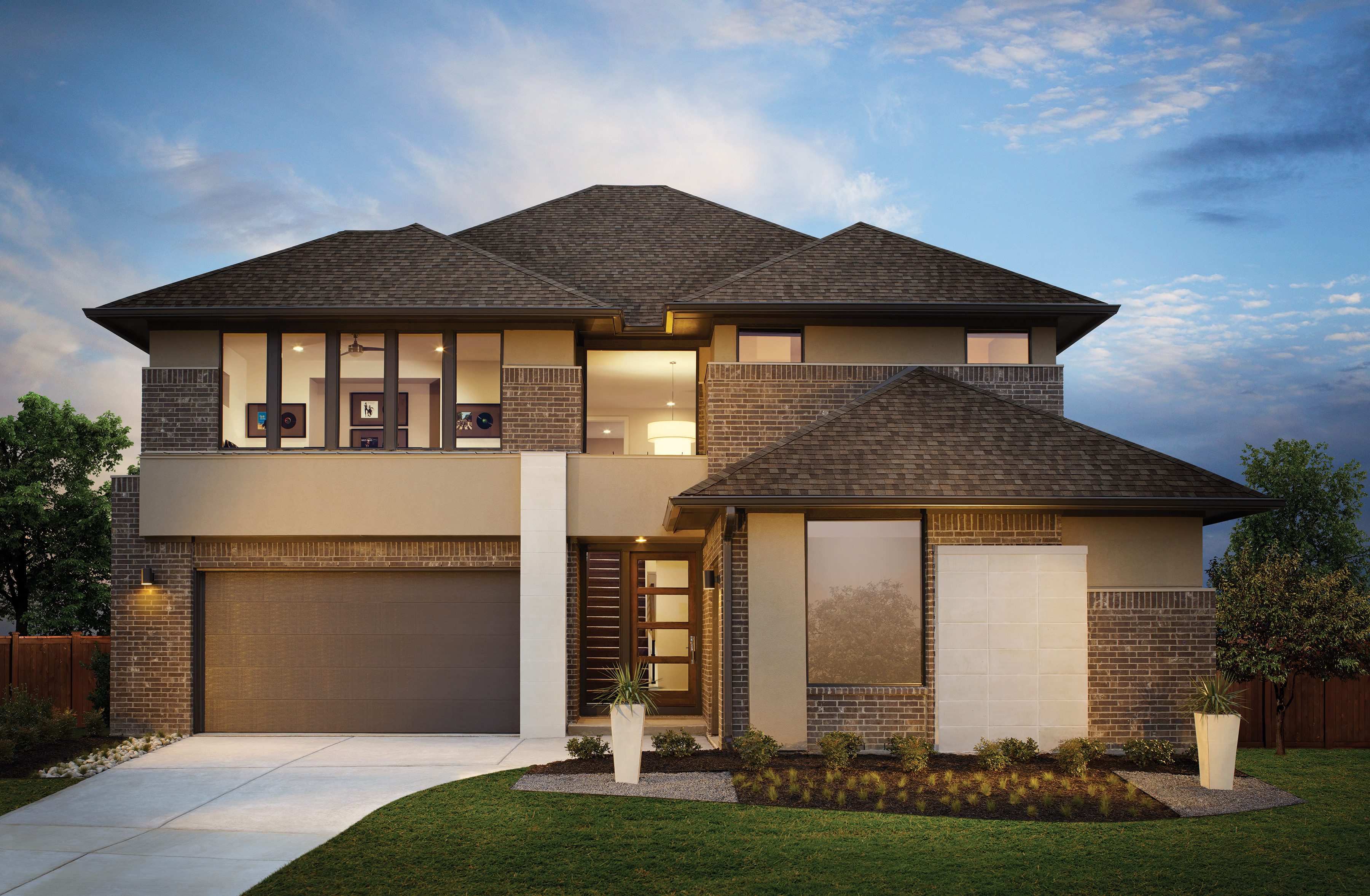
Italy, a land renowned for its art, cuisine, and passionate culture, holds a profound reverence for the concept of home. It’s more than just a structure; it’s the very heartbeat of Italian life. If you’ve ever wondered about the true house meaning in Italian, you’re about to embark on a fascinating journey. This article will not only unravel the linguistic intricacies but also delve into the deep cultural significance that makes the Italian "home" a sanctuary, a legacy, and a vibrant hub of family life. Prepare to discover why understanding the house meaning in Italian is key to unlocking the soul of this beautiful country.
Introduction: More Than Just Four Walls – The Heart of Italian Life
Imagine the aroma of nonna’s Sunday ragù wafting through an old stone villa, the lively chatter of family gathered around a long dining table, or the quiet contemplation on a sun-drenched balcony overlooking rolling vineyards. These are not just scenes; they are the very essence of the Italian home. Unlike many cultures where a house might primarily be seen as an investment or a place to sleep, in Italy, it is an extension of identity, a repository of memories, and the stage for life’s most cherished moments. Exploring the house meaning in Italian isn’t merely a language lesson; it’s an immersion into the warmth, tradition, and profound sense of belonging that defines Italy itself. We’ll uncover the most common terms, their subtle differences, and the cultural tapestry woven around them.
The Quintessential ‘Casa’: The Core House Meaning in Italian
When you think of the house meaning in Italian, one word immediately comes to mind: Casa. This is the most prevalent, versatile, and emotionally resonant term for "house" or "home" in Italian. But casa is so much more than its literal translation. It carries a profound weight of sentiment, embodying warmth, family, comfort, and belonging.
- Ubiquitous Use: From a simple apartment to a grand estate, casa is the go-to word. You’ll hear it in casual conversations, formal discussions, and heartfelt expressions alike.
- Emotional Resonance: Casa isn’t just a building; it’s where your heart is. It evokes feelings of safety, love, and tradition. When Italians say vado a casa (I’m going home), it implies returning to a cherished haven, not just a physical address.
- Family Centric: The concept of casa is inextricably linked to family (famiglia). It’s the place where generations gather, where children are raised, and where traditions are passed down. It’s the focal point of all family activities and celebrations.
Understanding casa as the primary house meaning in Italian is foundational. It’s the starting point for appreciating the deeper cultural layers that surround the concept of home in Italy.
Delving Deeper: Nuances and Synonyms for House in Italian
While casa reigns supreme, the Italian language, rich in its expressiveness, offers several other terms that contribute to the comprehensive house meaning in Italian. Each carries a slightly different nuance, context, or connotation, reflecting the diverse ways Italians perceive their living spaces.
‘Abitazione’: The Formal Residence
Abitazione translates to "dwelling," "residence," or "habitation." This term is more formal, technical, and often used in legal, bureaucratic, or real estate contexts.
- Context of Use: You’ll find abitazione in official documents, property listings, architectural plans, or news reports describing a residential building. For instance, an abitazione civile refers to a standard residential dwelling.
- Comparison with Casa: While both refer to a place where people live, abitazione lacks the emotional warmth and personal connection inherent in casa. You wouldn’t typically say La mia abitazione è dolce (My dwelling is sweet); you’d say La mia casa è dolce. Abitazione describes the physical structure and its function as a dwelling, whereas casa describes the home with all its emotional baggage.
‘Dimora’: A Poetic and Elegant Abode
Dimora is a more poetic, elegant, and sometimes historical term for "abode," "dwelling," or "residence." It often implies a grander, more stately, or long-established dwelling.
- Connotations: Dimora evokes a sense of permanence, tradition, and often a certain prestige or beauty. It might refer to a historic mansion, a noble residence, or a family seat that has been passed down through generations.
- Literary Use: You’ll encounter dimora more frequently in literature, poetry, or when describing a picturesque or significant dwelling. It carries an almost romantic quality that casa or abitazione do not. For example, "una splendida dimora" (a splendid abode).
‘Focolare’: The Hearth and Home
Focolare literally means "hearth" or "fireplace," but metaphorically it stands for "home" in the warmest, most traditional sense, emphasizing family, comfort, and the gathering place.
- Emphasizing Warmth and Family: Focolare strongly emphasizes the emotional core of the home – the place where the family gathers, shares meals, and finds warmth and security. It speaks to the communal aspect of home life.
- Cultural Significance: In Italian culture, the focolare domestico (domestic hearth) is a powerful symbol of family unity and tradition. It brings to mind images of warmth, cooking, and storytelling around a fire. When discussing the true house meaning in Italian, focolare adds a layer of deep cultural sentiment.
‘Appartamento’, ‘Villa’, ‘Rustico’: Specific Types of Dwellings
Beyond these general terms, Italians also use specific words to describe different types of houses, each contributing to the rich tapestry of house meaning in Italian:
- Appartamento: An apartment, a common form of urban dwelling.
- Villa: A detached house, often large, luxurious, and with a garden, typically found in suburban or rural areas.
- Rustico: A rustic country house, often renovated from an old farmhouse, embodying a connection to the land and traditional rural life.
- Palazzo: A grand, often historic, building or palace, which might contain multiple apartments or serve as a single, magnificent residence.
- Cascina/Masseria: Traditional farmhouses, particularly in northern (cascina) and southern (masseria) Italy, often large and encompassing working farms.
These terms illustrate the diversity of Italian residential architecture and the specific ways in which the house meaning in Italian can be articulated depending on the structure and style.
The Italian Home as a Cultural Cornerstone
The house meaning in Italian transcends mere vocabulary; it is deeply embedded in the nation’s cultural fabric. The home is not just a backdrop for life; it actively shapes and reflects Italian values, traditions, and social interactions.
Hospitality and the Open Door
Italian hospitality is legendary, and the home is its primary stage. Welcoming guests (ospiti) into one’s casa is a profound act of generosity and respect. Meals, often elaborate and lengthy, are central to this experience, symbolizing communion and care. An invitation to an Italian home is an invitation to partake in family life, to share food, stories, and laughter. This open-door policy, though perhaps less common in very formal settings, remains a cherished ideal and a core component of the house meaning in Italian.
Family and Generations Under One Roof
For many Italians, especially outside major metropolitan areas, the extended family unit remains strong, and it’s not uncommon for multiple generations to live under the same roof or in close proximity. The casa becomes a living legacy, passed down from parents to children, filled with heirlooms and memories. This intergenerational living fosters strong family bonds, where elders impart wisdom and care for grandchildren, and younger generations support their parents. This deep-seated familial connection profoundly influences the house meaning in Italian, making it a symbol of continuity and collective identity.
Architecture and Design: An Expression of Identity
Italian homes, whether ancient or modern, are often characterized by their beauty, craftsmanship, and functionality. Regional architectural styles abound, from the trulli of Puglia to the Venetian palazzi, each reflecting local history, materials, and climate. Interior design, too, is a significant part of the house meaning in Italian. Italian homes are typically well-maintained, meticulously decorated, and designed for comfort and aesthetics. They are often filled with art, cherished objects, and practical yet stylish furnishings, reflecting the inhabitants’ personality and taste. The concept of bellezza (beauty) is applied not just to art and fashion, but also to the living environment.
Common Italian Phrases and Expressions Involving ‘Casa’
The ubiquity and emotional depth of casa are evident in numerous everyday Italian expressions. These phrases further illuminate the profound house meaning in Italian:
- A casa: At home. (e.g., Sono a casa. – I am at home.)
- Tornare a casa: To return home. (e.g., Non vedo l’ora di tornare a casa. – I can’t wait to go home.)
- Sentirsi a casa: To feel at home. (e.g., Grazie per l’ospitalità, mi sento davvero a casa qui. – Thanks for the hospitality, I really feel at home here.)
- Casa dolce casa: Home sweet home. (A direct and beloved translation.)
- Mettere su casa: To set up a home, to start living independently or with a partner. (e.g., Hanno deciso di mettere su casa insieme. – They decided to set up a home together.)
- Di casa: Familiar, accustomed to, or a regular presence. (e.g., Marco è di casa qui. – Marco is always here / feels at home here.)
- Fare casa: To make a home, to create a welcoming and comfortable living environment.
- Restare a casa: To stay at home.
These expressions demonstrate how deeply ingrained the house meaning in Italian is within the language itself, reflecting its central role in daily life and sentiment.
House Meaning in Italian: Beyond Bricks and Mortar (LSI Keywords Integration)
To truly grasp the house meaning in Italian, we must look beyond the physical structure and consider the broader concepts it encompasses. The Italian home is a holistic entity, touching upon well-being, identity, and economic considerations.
- Spazio abitativo (Living Space): This term refers to the functional area where one lives. While casa has emotional depth, spazio abitativo focuses on the practical dimensions and comfort of the dwelling, contributing to overall benessere (well-being).
- Benessere (Well-being): The Italian home is intrinsically linked to benessere. A comfortable, beautiful, and functional home is seen as essential for physical and mental health. It’s a place of rest, rejuvenation, and enjoyment, directly impacting one’s quality of life.
- Identità (Identity): An Italian’s home is often a strong reflection of their identità – their personal style, regional origins, and family history. It’s a space where personal tastes and collective heritage intertwine, making it unique.
- Proprietà (Property) and Immobile (Real Estate Property): While casa speaks to the emotional aspect, proprietà and immobile address the legal and economic facets of owning a home. Italians often view real estate as a stable investment and a crucial asset to pass down through generations, further cementing the long-term significance of the home.
- Stile di vita (Lifestyle): The home is central to the Italian stile di vita. From the slow pace of morning coffee to the ritual of the evening meal, life often revolves around the home, reflecting a culture that values connection, quality, and tradition.
These related terms underscore that the house meaning in Italian is multifaceted, embracing emotional, cultural, practical, and economic dimensions.
People Also Ask: Your Questions About House Meaning in Italian Answered
Here are some common questions people French luxury fashion house crossword clue unveiling the magnificent world of parisian chic ask when exploring the house meaning in Italian:
Q: What is the most common word for house in Italian?
A: The most common and widely used word for "house" or "home" in Italian is Casa. It carries the deepest emotional and cultural significance.
Q: How do Italians refer to their home?
A: Italians primarily refer to their home as Casa. They might also use terms like focolare (hearth/home) to emphasize warmth and family, or appartamento (apartment) for a specific type of dwelling, but casa is the overarching and most personal term.
Q: What is the difference between ‘casa’ and ‘abitazione’?
A: Casa is the general, emotionally charged term for "home" or "house," referring to the place where one lives and feels a sense of belonging. Abitazione is a more formal, technical, and legal term for "dwelling" or "residence," referring to the physical structure itself, often used in official contexts.
Q: Are there different types of houses in Italy with specific names?
A: Yes, Italy has various names for different types of houses, reflecting regional architecture and styles. Common examples include Appartamento (apartment), Villa (a detached, often luxurious house), Rustico (a rustic country house), and Palazzo (a grand building or palace).
Q: What does ‘dolce casa’ mean in Italian culture?
A: Dolce casa literally means "sweet home" and is a direct equivalent to "home sweet home." In Italian culture, it encapsulates the warmth, comfort, joy, and emotional attachment Italians feel towards their home. It signifies a place of love, security, and cherished memories.
Conclusion: Your Italian Home Awaits!
The journey to understand the house meaning in Italian is far richer than a simple vocabulary lesson. It’s an exploration of culture, tradition, and the very soul of a nation. From the beloved casa to the formal abitazione, the poetic dimora, and the warm focolare, each word paints a vivid picture of a country where the home is truly the heart of everything. It’s a place of unwavering family bonds, legendary hospitality, and an enduring legacy that transcends generations.
Whether you’re dreaming of an Italian escape, learning the language, or simply curious about global cultures, recognizing the profound house meaning in Italian offers invaluable insight. It reminds us that a home is never just a building; it’s a living entity, filled with stories, love, and the promise of new memories. So, next time you hear or say "casa," remember the joyful secrets it holds and the vibrant world it represents.
FAQ Section
Q1: Is "casa" used for both houses and apartments?
A1: Yes, "casa" is universally used for both freestanding houses and apartments, as it refers to the concept of "home" or "residence" in general, regardless of the specific structure.
Q2: What is the most important aspect of an Italian home culturally?
A2: Culturally, the most important aspect of an Italian home is its role as the center of family life and hospitality. It’s where generations gather, traditions are upheld, and guests are warmly welcomed.
Q3: How do Italians typically decorate their homes?
A3: Italian home decoration varies by region and personal taste, but generally emphasizes comfort, quality craftsmanship, and aesthetics. Many homes feature a mix of traditional and modern elements, with a focus on creating a warm, inviting atmosphere and often displaying family heirlooms or art.
Q4: Is it common for adult children to live at home in Italy?
A4: Yes, it is relatively common for adult children to live at home in Italy, often well into their twenties or even thirties, due to economic factors, strong family ties, and cultural norms that value intergenerational living.
Q5: What’s a common toast or saying related to home in Italy?
A5: A very common and heartfelt saying is "Casa dolce casa," which means "Home sweet home." It encapsulates the affection and comfort associated with one’s dwelling.