From the moment she first graced the screen in Disney’s Frozen, Elsa of Arendelle captured the hearts and imaginations of millions worldwide. More than just a powerful queen with extraordinary ice magic, Elsa Frozen character design stands as a monumental achievement in animation, a testament to visual storytelling, and a true icon of modern pop culture. It’s a design that effortlessly conveys her inner turmoil, her journey of self-discovery, and ultimately, her radiant empowerment. This article will delve deep into the intricate details, the thoughtful evolution, and the groundbreaking artistry that shaped one of Disney’s most beloved characters.
The Genesis of an Ice Queen: Early Concepts and Iterations
The journey of Elsa Frozen character design was anything but straightforward. Originally conceived as a villain inspired by Hans Christian Andersen’s "The Snow Queen," her visual identity underwent significant transformations. This initial concept saw her as a much more traditional antagonist, sharp-edged and menacing.
From Villain to Heroine: The Pivotal Shift
The turning point came with the song "Let It Go." As the creative team developed this powerful anthem of self-acceptance, it became clear that Elsa couldn’t remain a villain. Her struggle was internal, not external. This narrative shift profoundly impacted her design. No longer bound by the archetypal "evil queen" aesthetic, her look could evolve to reflect vulnerability, suppressed power, and eventual liberation. The design team, led by Character Art Director Bill Schwab and Character Designer Jin Kim, embarked on a mission to craft a character that was both regal and relatable, powerful yet poignant. They sought to balance the coldness of her powers with the warmth of her underlying humanity.
Influences and Inspirations: Snow Queen Lore and Beyond
While the initial inspiration came from Andersen’s tale, the team drew from a rich tapestry of influences for Elsa Frozen character design. Scandinavian culture, particularly Norwegian folk art and costume, played a significant role in the overall aesthetic of Arendelle and its inhabitants. For Elsa herself, there was a conscious effort to move away from overly ornate, traditional Disney Princess designs. Instead, they aimed for a more streamlined, elegant silhouette that would not only be visually striking but also convey her grace and strength. The elemental nature of her powers also provided a strong visual motif, guiding choices in color, texture, and accessories.
Decoding Elsa’s Signature Look: A Symphony of Symbolism
The brilliance of Elsa Frozen character design lies in its layered symbolism. Every element, from her hairstyle to her gown, tells a part of her story, making her an instantly recognizable and deeply resonant figure.
The Iconic Ice Dress: A Garment of Empowerment
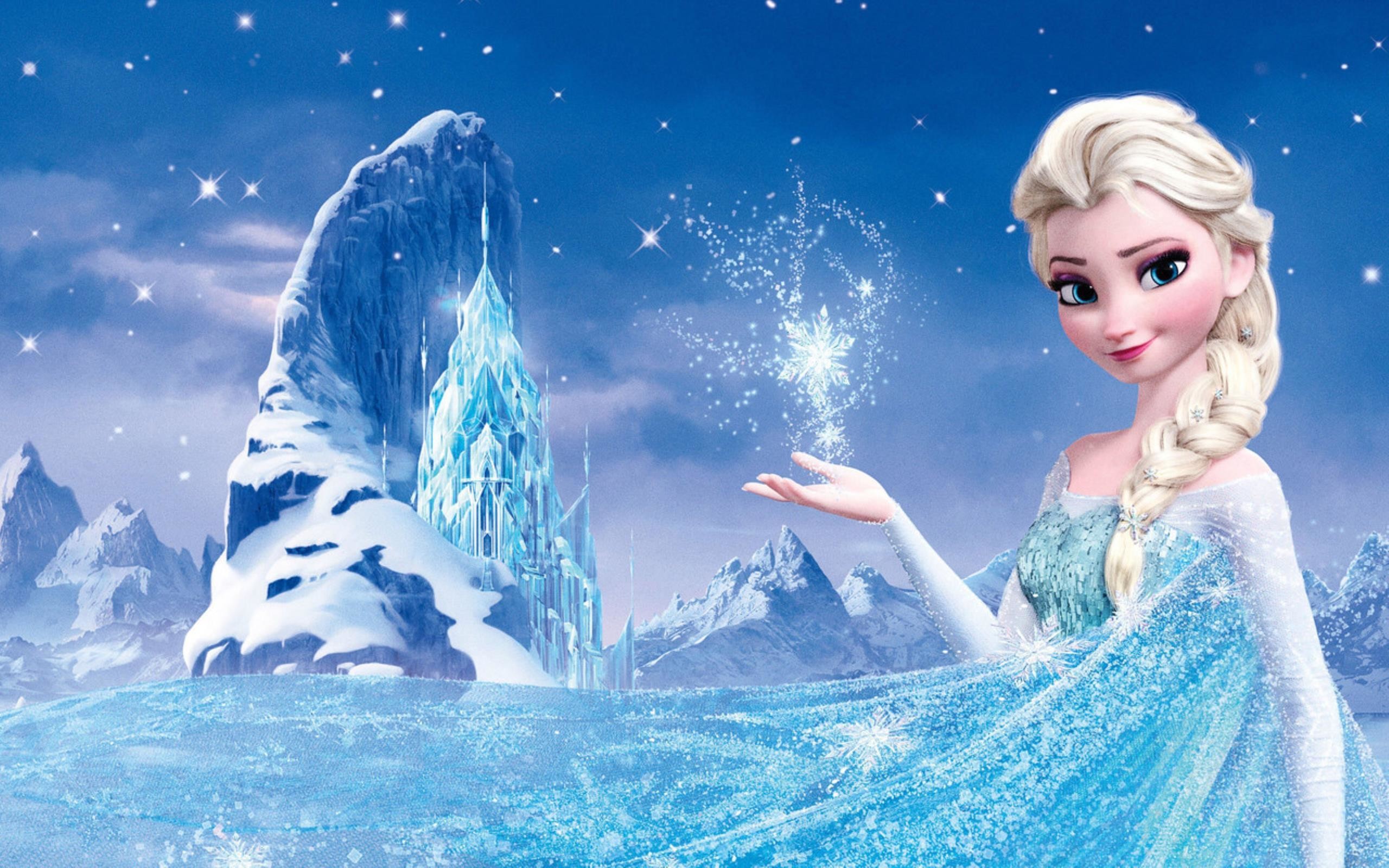
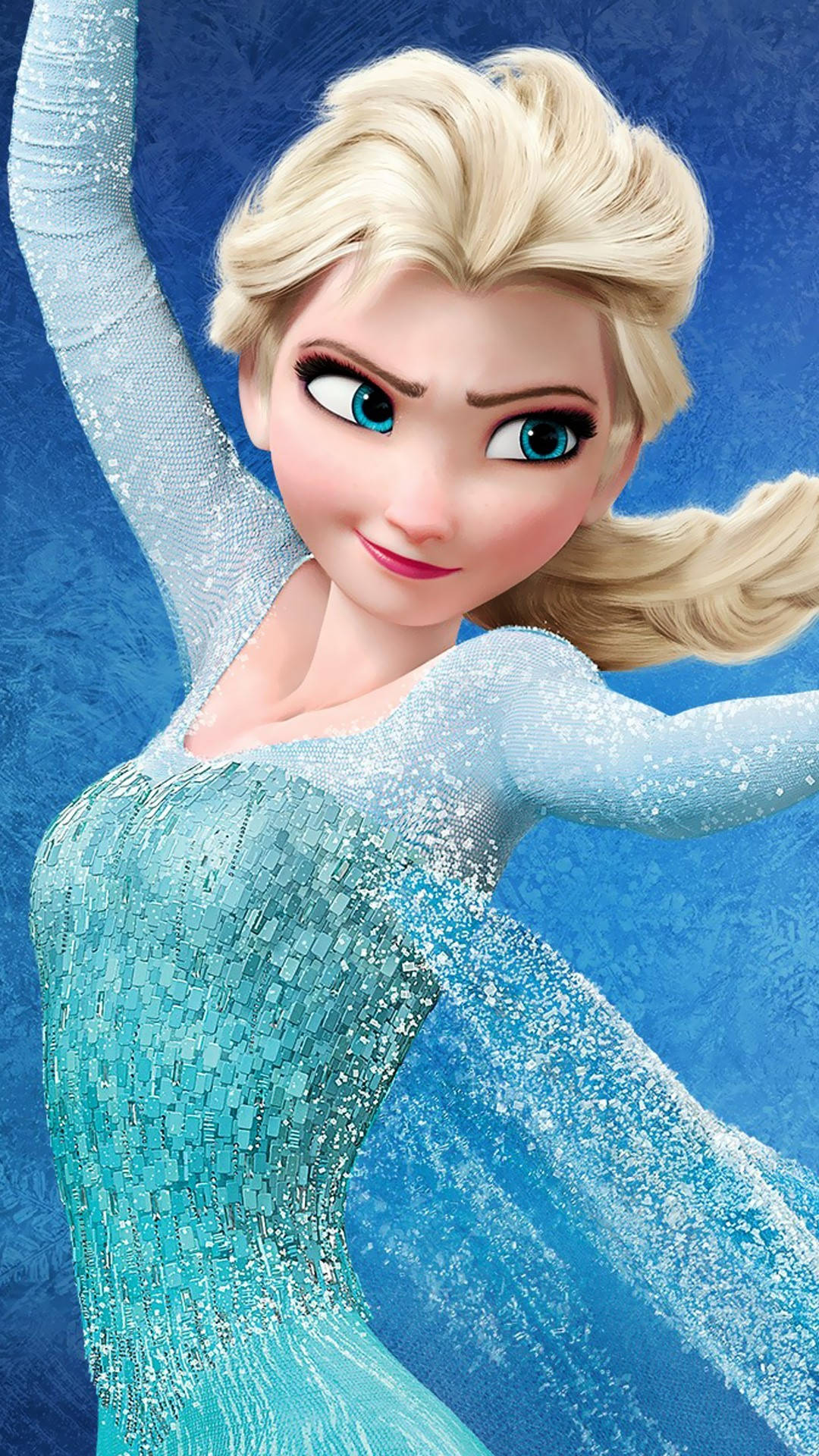
Perhaps the most famous aspect of Elsa Frozen character design is her transformation into the iconic ice dress during "Let It Go." This dress isn’t just a beautiful outfit; it’s a powerful visual metaphor for her breaking free from societal expectations and embracing her true self.
- Color Palette: The shimmering ice blue and silver hues are instantly evocative of her powers. They represent the coldness she projects but also the crystalline beauty of her magic. The gradual shift from a darker, more restrictive coronation gown to the lighter, more transparent ice dress visually communicates her emotional liberation.
- Fabric and Texture: The dress appears to be woven from pure ice and snow, glistening with thousands of simulated sequins and intricate snowflake patterns. Its translucent cape, often depicted swirling dynamically, adds to the ethereal, almost magical quality. The team used advanced CGI techniques to create the illusion of flowing, shimmering fabric, a significant technical challenge at the time. This "fabric" isn’t merely decorative; it emphasizes her connection to her powers – a dress made of magic, rather than simply adorned with it.
- Silhouette and Cut: The silhouette is sleek and elegant, featuring a high slit that allows for greater movement, contrasting sharply with the restrictive, heavy gowns she wore earlier. The off-the-shoulder design and sweetheart neckline convey a sense of newfound confidence and allure. It’s a dress that allows her to move freely, dance, and wield her magic without hindrance, perfectly mirroring her liberated spirit.
Hair and Makeup: Regal Elegance Transformed
Elsa’s hair and makeup are equally significant in conveying her character arc.
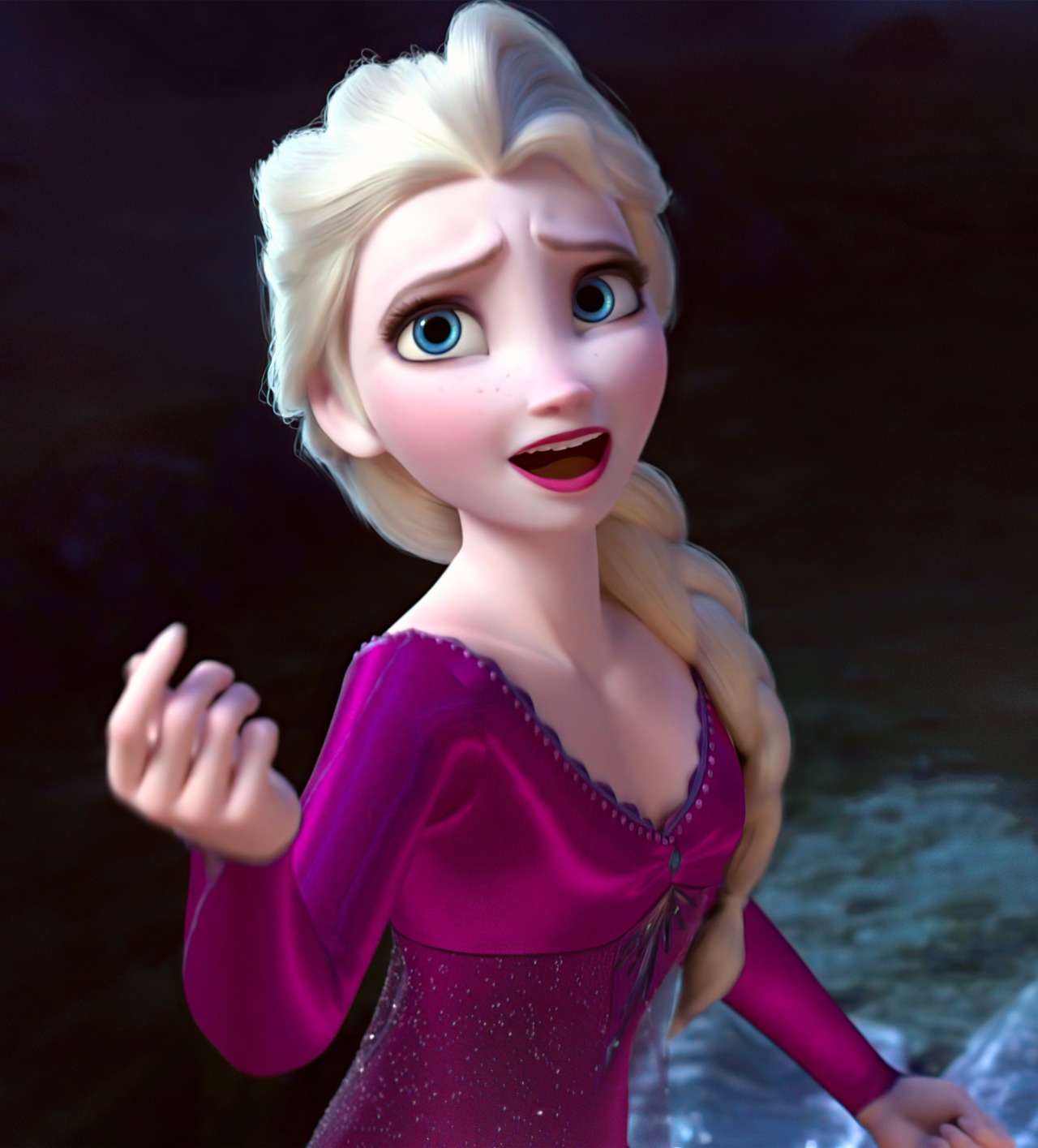
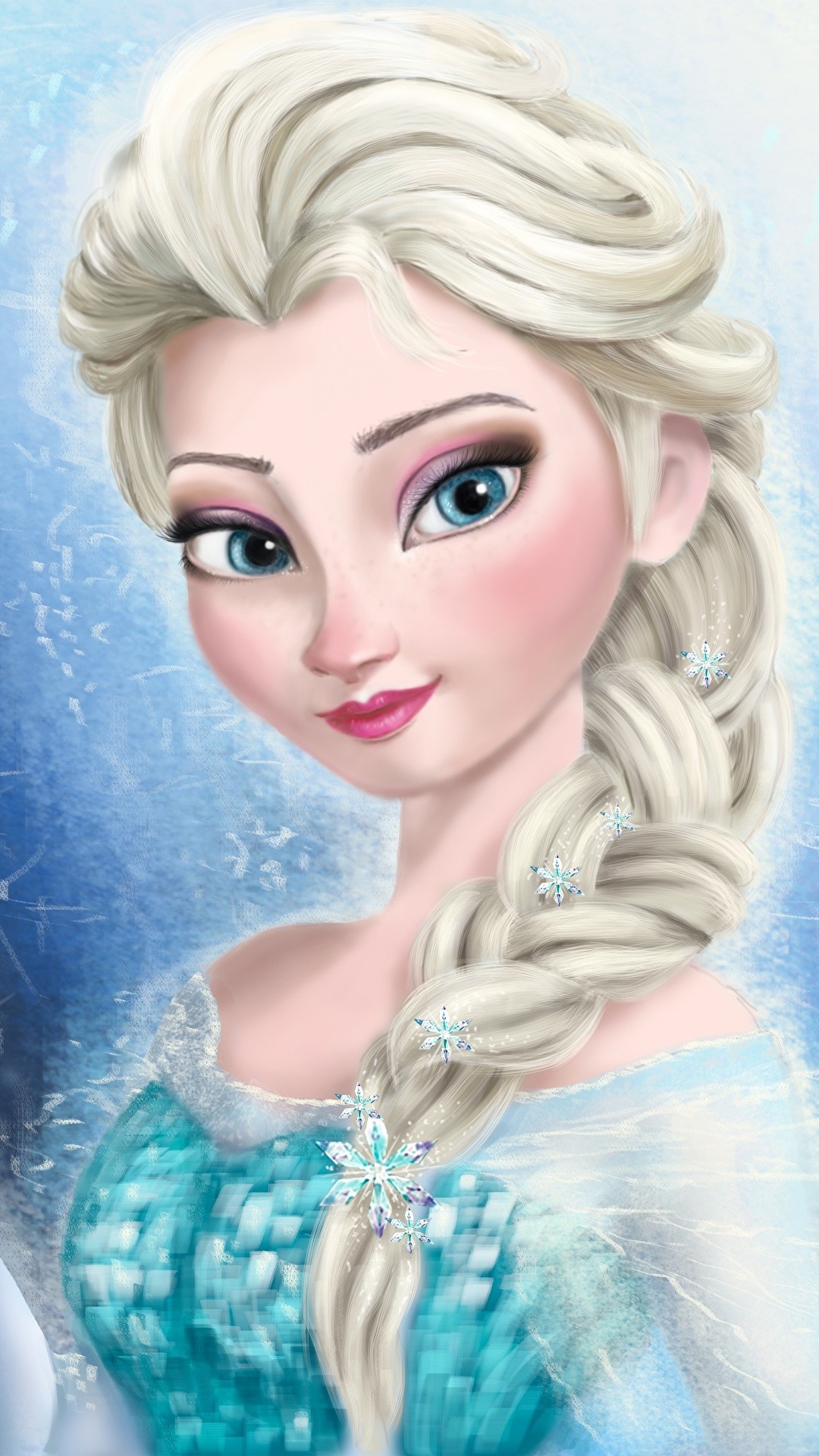
- Hair Design: In the film’s beginning, Elsa’s hair is meticulously styled in a tight, formal bun, symbolizing her attempts to contain her powers and emotions. During "Let It Go," as she embraces her true identity, she dramatically lets her hair down, transforming it into a long, flowing side braid. This hairstyle is not only aesthetically pleasing but also represents her freedom and wildness. For Frozen II, her hair undergoes further subtle changes, often depicted with a more relaxed, natural wave, reflecting her continued growth and comfort in her own skin. The animation of her hair was a monumental task, with Disney developing entirely new software (Tonic) to handle the complex physics of her voluminous, flowing locks.
- Facial Features and Makeup: Elsa’s face is characterized by large, expressive blue eyes, a delicate nose, and a somewhat angular jawline, giving her a regal yet approachable appearance. Her makeup is subtle but effective, often featuring light eyeshadow and a soft lip color that enhances her natural beauty without overwhelming it. During her transformation, a touch of shimmering eyeshadow and slightly bolder lipstick signify her newfound confidence and self-possession.
Physicality and Posture: Grace Under Pressure
Elsa Frozen character design extends beyond her attire to her very physicality. She is tall, slender, and moves with an inherent grace, even when burdened by her secrets. Her initial posture is often reserved, almost hunched, conveying her internal struggle and desire to hide. As she transforms, her posture straightens, her head lifts, and her movements become more expansive and confident, particularly when she is wielding her ice magic. Her hand gestures, once constrained, become fluid and powerful, extensions of her magical abilities.
The Evolution of Elsa’s Wardrobe: Beyond the Ice Palace
One of the strengths of Elsa Frozen character design is its continued evolution across the franchise, reflecting her ongoing character development.
Frozen II: Embracing the Fifth Spirit
In Frozen II, Elsa’s journey takes her beyond Arendelle, necessitating a new wardrobe that is both practical for adventure and symbolic of her deeper connection to the elemental spirits.
- Travel Attire: Her primary Frozen II outfit is a striking blue dress with dark leggings and boots, designed for mobility. It retains the icy color palette but incorporates subtle Nordic patterns and a flowing cape that still evokes her elemental connection. This outfit balances practicality with her regal status, signifying her role as a protector and adventurer.
- The White Spirit Dress: The climax of Frozen II sees Elsa fully embrace her identity as the Fifth Spirit, culminating in a breathtaking white dress. This gown is perhaps her most ethereal and powerful design. It is pure white, symbolizing purity, enlightenment, and her complete integration with the magic of the Enchanted Forest. The design features intricate silver detailing, a sheer cape that seems to ripple with unseen energy, and often, her hair unbound and flowing, reflecting her ultimate freedom and power. This dress is a visual crescendo, representing the culmination of her entire character arc.
Casual Comfort and Coronation Grandeur
Beyond her iconic ice dress and adventure wear, Elsa’s other outfits also contribute to her character. Her initial coronation gown, a heavy, dark teal, gold-embroidered dress with a restrictive cape, perfectly encapsulates her imprisoned state before "Let It Go." Post-transformation, her gowns become lighter, more flowing, and often feature softer color palettes, reflecting her growing happiness and comfort as Queen. Even her more "casual" dresses for daily life in Arendelle retain an elegance, showing that her regality is inherent, not just donned for special occasions.
The Art and Animation Behind the Magic
Bringing Elsa Frozen character design to life was a monumental task, pushing the boundaries of CGI animation.
Technical Marvels: Hair Simulation and Cloth Physics
The sheer complexity of Elsa’s hair, particularly her voluminous braid and later, her unbound locks, required unprecedented levels of detail and specialized software. Animators had to ensure each strand moved realistically, reacting to wind, gravity, and her movements, without appearing rigid or artificial. Similarly, the flowing fabrics of her capes and dresses, especially the shimmering, transparent qualities of her ice dress, demanded advanced cloth simulation. The team wanted the fabrics to feel dynamic and alive, contributing to the magical realism of her character. These technical innovations set new benchmarks for character animation in feature films.
Expressing Emotion: Facial Rigging and Body Language
Beyond the technicalities, the artists focused heavily on how Elsa Frozen character design could convey emotion. Her large, expressive eyes are central to this, allowing animators to communicate fear, sadness, determination, and joy with nuanced subtlety. Her facial rigging was incredibly sophisticated, capable of a wide range of expressions that make her feel incredibly human and relatable despite her extraordinary powers. Her body language, from her timid glances early on to her confident strides later, is meticulously animated to reflect her internal state, making her a truly compelling and emotionally resonant character.
Cultural Impact and Enduring Legacy
The impact of Elsa Frozen character design extends far beyond the silver screen. She has become a global phenomenon, influencing fashion, toys, and cultural perceptions.
Fashion Icon and Role Model
Elsa’s designs, particularly her ice dress, have inspired countless fashion collections, haute couture, and everyday wear. Her blend of elegance, power, and uniqueness has resonated with audiences, making her a modern fashion icon. More importantly, her character, visually represented through her design, has become a powerful role model. Her journey from fear and concealment to self-acceptance and empowerment is a message beautifully articulated through her evolving visual identity. Children and adults alike are drawn to her strength, independence, and the visual splendor that accompanies her transformation.
Merchandising and Global Phenomenon
The distinctiveness of Elsa Frozen character design has made her one of Disney’s most merchandisable characters. From dolls and costumes to clothing and accessories, her image is ubiquitous. This widespread recognition underscores the success of her design in creating an instantly identifiable and beloved character. Her designs have permeated global pop culture, becoming synonymous with the Frozen franchise and Disney’s modern animation prowess.
People Also Ask (PAA) – Bing Insights
Based on common search queries, here are some answers to frequently asked questions about Elsa Frozen character design:
- Q: Why did Elsa’s dress change in Frozen?
- A: Elsa’s dress changes dramatically during the song "Let It Go" to symbolize her emotional liberation and acceptance of her ice powers. Her initial coronation gown is restrictive and dark, representing her suppressed self. The ice dress is light, shimmering, and flowing, visually demonstrating her newfound freedom and confidence.
- Q: What inspired Elsa’s look?
- A: Elsa’s look was primarily inspired by Hans Christian Andersen’s "The Snow Queen," but evolved significantly to reflect her transition from a villain to a powerful heroine. Designers drew inspiration from Scandinavian culture, elegant fashion, and the elemental nature of her ice powers.
- Q: How many outfits does Elsa have in the Frozen films?
- A: Across Frozen and Frozen II, Elsa wears several distinct outfits, including her coronation gown, her iconic ice dress, her casual blue dress, her Frozen Fever dress, her travel dress in Frozen II, and her stunning white Fifth Spirit dress. Each outfit marks a different stage in her emotional and physical journey.
- Q: What is the meaning behind Elsa’s ice dress?
- A: The ice dress is a powerful symbol of Elsa’s self-acceptance, empowerment, and freedom. It’s literally a creation of her magic, signifying her embracing her true identity and no longer hiding her powers. The translucent, shimmering fabric and flowing silhouette represent her liberated spirit.
Conclusion: An Enduring Legacy of Design Excellence
The Elsa Frozen character design is far more than just a pretty face and a beautiful dress; it’s a masterclass in visual storytelling, character development, and animation innovation. Every detail, from the shimmer of her ice dress to the flow of her hair, works in harmony to convey her complex emotional journey. Her design has not only set new standards for Usa fashion dress up games unlocking your inner stylist with amazing fun CGI animation but has also created an unforgettable icon whose message of self-acceptance and empowerment resonates deeply with audiences across the globe.
What’s your favorite aspect of Elsa’s design, and how do you think it reflects her character? Share your thoughts below and join the conversation about this truly iconic Disney creation!
FAQ Section
- Q1: Who designed Elsa’s character?
- A: Elsa’s character design was a collaborative effort led by Character Art Director Bill Schwab and Character Designer Jin Kim, under the guidance of directors Chris Buck and Jennifer Lee.
- Q2: What is the significance of her hair?
- A: Elsa’s hair visually represents her emotional state. Her initial tight bun signifies her suppressed powers and emotions, while her flowing braid (and later unbound hair) symbolizes her freedom, self-acceptance, and connection to her true identity.
- Q3: Did Elsa’s design change during development?
- A: Yes, significantly. Elsa was initially conceived as a villain with a sharper, more angular design. Her design softened and evolved to reflect her eventual role as a sympathetic heroine, particularly after the development of the song "Let It Go."
- Q4: Is Elsa’s dress realistic to animate?
- A: Animating Elsa’s ice dress and hair presented immense technical challenges for Disney animators. They developed new software and techniques to realistically simulate the thousands of shimmering facets on her dress and the complex physics of her voluminous, flowing hair.