Welcome, aspiring designers, fashion enthusiasts, and dreamers! Have you ever paused to consider the sheer power and versatility of a dress? More than just a garment, a dress is often the ultimate canvas for a fashion designer, a singular piece that can tell an entire story, evoke an emotion, and define an era. In the dynamic world of apparel, dresses for fashion designing are not merely items of clothing; they are the very heart of creative expression, a testament to skill, vision, and innovation.
From the simplest shift dress to the most elaborate ball gown, dresses challenge designers to master form, fabric, and function. They demand an intricate understanding of the human body, an eye for detail, and a flair for storytelling. This comprehensive guide will delve into why dresses hold such a paramount position in the fashion industry, exploring their history, design principles, technological advancements, and the exciting career paths they open up. Get ready to uncover the crucial elements that make dresses for fashion designing an indispensable tool for every creative mind.
The Enduring Allure of Dresses in Fashion Design
Dresses have captivated humanity for centuries, evolving from simple draped garments to complex architectural wonders. Their enduring appeal lies in their ability to embody femininity, power, elegance, and comfort all at once. For fashion designers, this versatility makes them an irresistible subject.
A Canvas for Creativity: Why Dresses Reign Supreme
Unlike separates, a dress offers a continuous, uninterrupted surface, providing a unique opportunity for designers to explore a holistic vision. Every element—from the neckline to the hemline, the sleeves to the waist—contributes to a unified aesthetic. This makes dresses for fashion designing a perfect medium for experimenting with new silhouettes, innovative fabric combinations, and intricate embellishments. They allow for a singular, impactful statement that is often harder to achieve with a two-piece ensemble. Whether it’s the dramatic sweep of an evening gown or the playful bounce of a sundress, the dress is a complete narrative in itself.
From Concept to Catwalk: The Journey of a Dress
The creation of a dress is a meticulous journey, beginning with a spark of inspiration and culminating in a wearable work of art. This process involves extensive research, conceptualization, sketching, pattern making, fabric sourcing, and skilled garment construction. Each step is critical, transforming an abstract idea into a tangible design that can grace a runway, a retail rack, or a red carpet. The journey highlights the technical prowess and artistic sensibility required when working with dresses for fashion designing.
Understanding the Fundamentals: Essential Elements of Dress Design
To truly excel in designing dresses, a deep understanding of core design principles is paramount. These elements are the building blocks upon which every successful dress is constructed.
Silhouette and Form: Shaping the Vision
The silhouette is the outline or shape of the dress, defining its overall form. Mastering various silhouettes is fundamental for any designer. Common examples include:
- A-line: Fitted at the hips and gradually widening towards the hem, resembling the letter ‘A’.
- Sheath: A form-fitting dress that hugs the body, often falling straight from the shoulders.
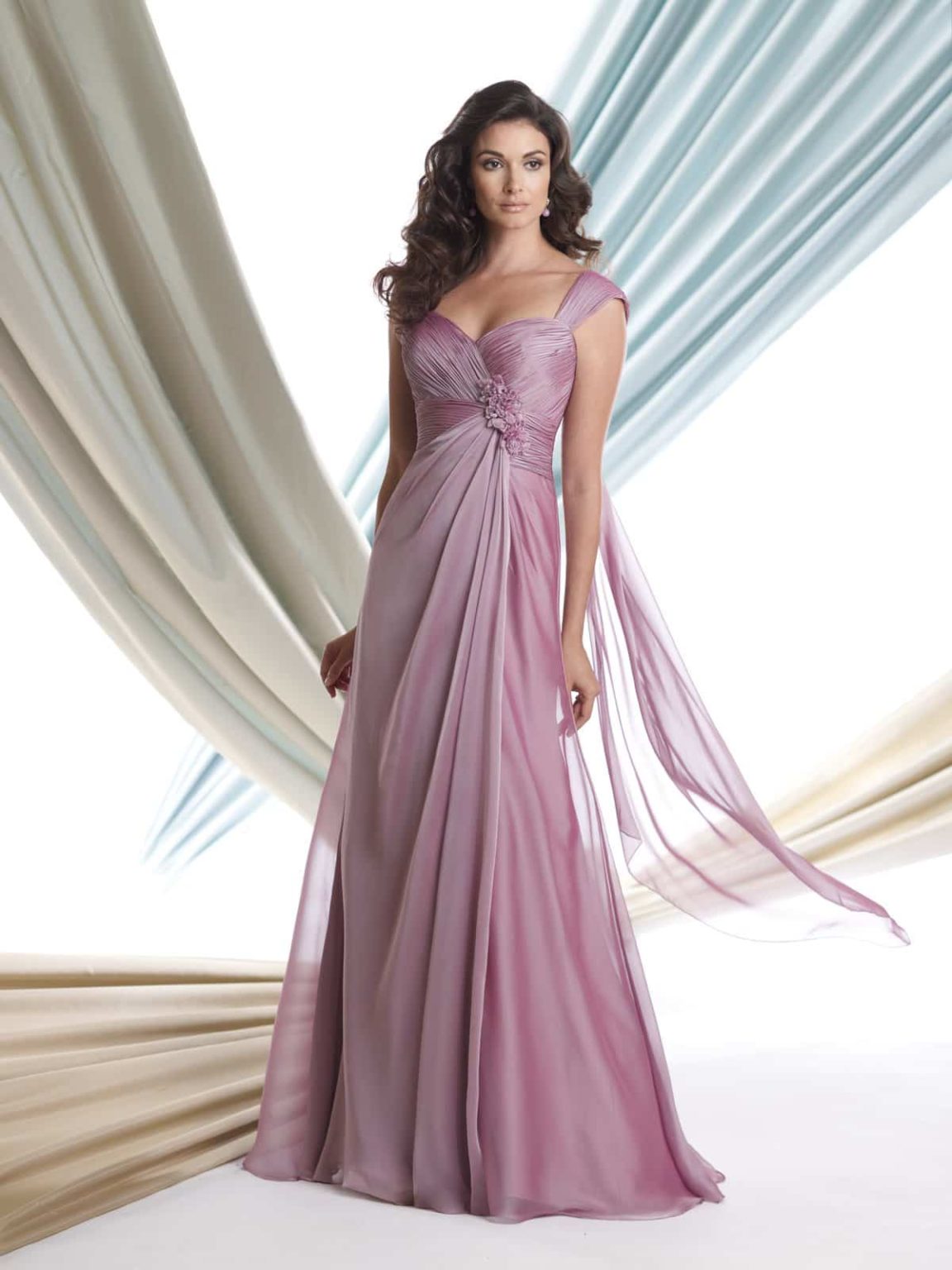
- Empire: Fitted bodice ending just below the bust, with a loose, flowing skirt.
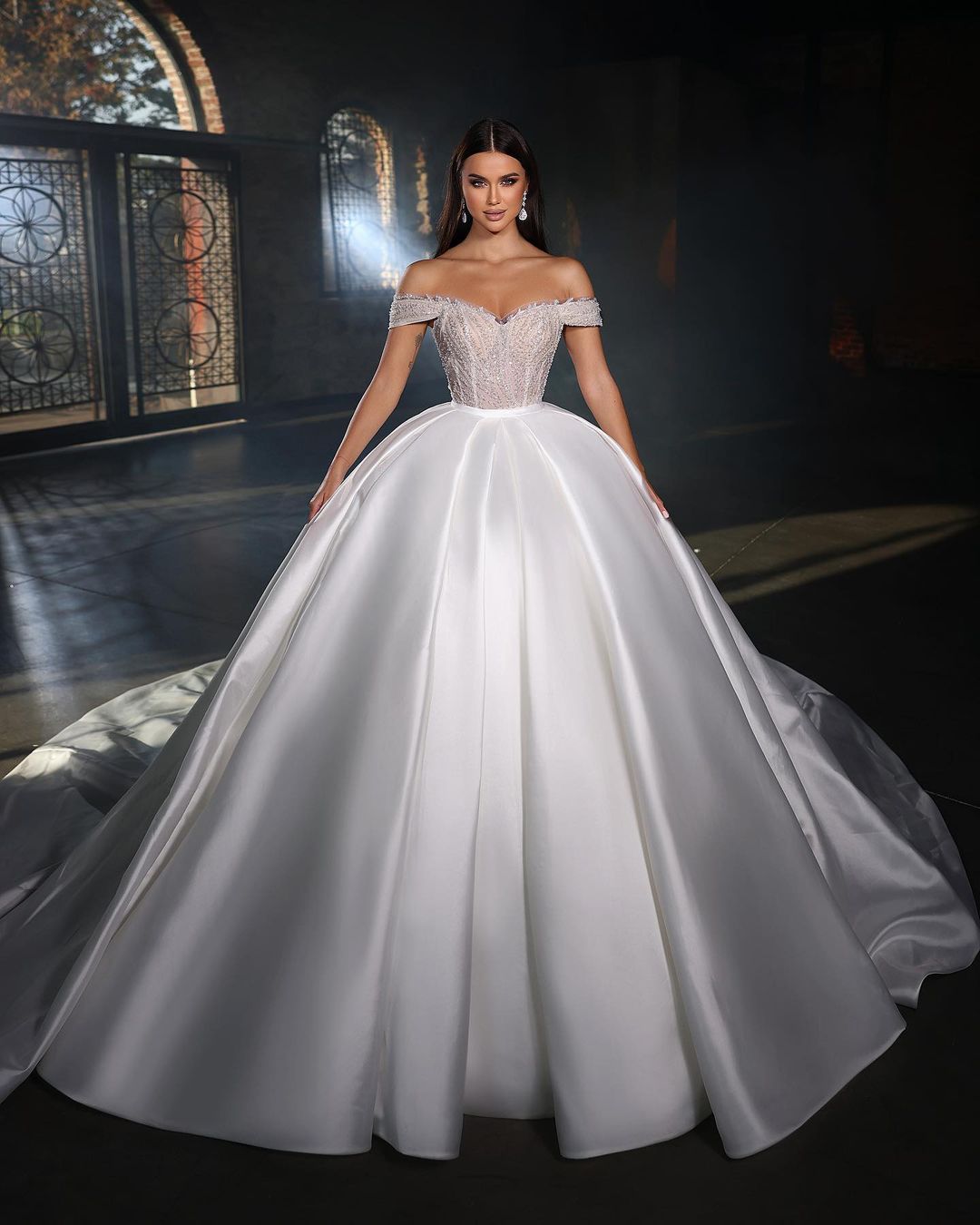
- Ball Gown: A fitted bodice with a full, voluminous skirt, often associated with formal wear.
- Shift: A simple, straight dress that hangs loosely from the shoulders.
- Wrap Dress: A dress with a front closure formed by wrapping one side across the other and tying it at the waist.
Understanding how to manipulate these forms through draping and tailoring allows designers to create visually appealing and flattering dresses for fashion designing.
Fabric Selection: The Soul of the Dress
The choice of fabric profoundly impacts the drape, texture, comfort, and overall aesthetic of a dress. Designers must consider:
- Drape: How the fabric hangs and folds (e.g., silk drapes softly, denim is stiff).
- Texture: The surface quality of the fabric (e.g., smooth satin, rough tweed, delicate lace).
- Weight: Light fabrics like chiffon create airy designs, while heavier fabrics like wool provide structure.
- Sustainability: Increasingly, designers are opting for eco-friendly textiles like organic cotton, linen, Tencel, or recycled materials.
The right fabric can elevate a simple design, while a poor choice can undermine even the most innovative concept. This makes fabric selection a crucial skill in creating effective dresses for fashion designing.
Color and Print: Setting the Mood
Color and print are powerful tools for conveying mood, personality, and trend. Designers use color theory to evoke emotions, create harmony or contrast, and flatter different skin tones. Prints, whether floral, geometric, abstract, or animalistic, add visual interest and can transform the entire character of a dress. Trend forecasting plays a significant role here, guiding designers on popular palettes and patterns.
Embellishments and Details: The Finishing Touches
Details are what make a dress unique and memorable. Embellishments like embroidery, beading, sequins, ruffles, pleats, appliques, and strategic cut-outs add depth, texture, and a touch of luxury. These intricate elements require precision and often specialized techniques, showcasing the designer’s craftsmanship and attention to detail in their dresses for fashion designing.
The Design Process: Crafting Exquisite Dresses for Fashion Designing
The journey of creating a dress is a structured yet highly creative process. It involves several distinct stages, each building upon the last to bring a vision to life.
Inspiration and Mood Boards: Igniting the Spark
Every design begins with inspiration. This could come from art, nature, history, culture, current events, or even a fleeting emotion. Designers gather images, textures, colors, and words to create a mood board—a visual collage that encapsulates the theme and aesthetic direction for their collection, including the dresses for fashion designing within it. This initial phase is crucial for establishing a cohesive vision.
Sketching and Illustration: Bringing Ideas to Life
Once the inspiration is clear, designers translate their ideas into sketches. Fashion illustration allows them to visualize the dress on a stylized figure (croquis), capturing its silhouette, details, and overall flow. Technical flats, on the other hand, are precise, two-dimensional drawings that show the garment’s construction details, seams, and measurements, essential for pattern makers and manufacturers.
Pattern Making and Draping: Translating 2D to 3D
This is where the 2D sketch begins its transformation into a 3D garment.
- Pattern Making: Involves creating flat paper templates (patterns) for each component of the dress (bodice, sleeve, skirt, etc.). This requires a deep understanding of garment construction, fit, and grading (sizing).
- Draping: A more sculptural approach where fabric is manipulated directly on a dress form to create the desired shape and silhouette. This method is particularly effective for complex or fluid designs and is often used in haute couture for unique dresses for fashion designing.
Prototyping and Fitting: Refining the Masterpiece
A prototype, or "toile" (usually made from inexpensive muslin fabric), is created from the pattern. This allows designers to assess the fit, drape, and proportions of the dress on a live model or dress form. Multiple fittings and adjustments are typically required to perfect the design, ensuring comfort, aesthetic appeal, and proper functionality.
Collection Development: Dresses as Part of a Larger Story
Often, dresses for fashion designing are part of a larger collection. Designers must ensure that each dress, while unique, contributes to the overall theme and narrative of the collection, maintaining consistency in style, color palette, and mood. This holistic approach creates a stronger, more impactful presentation.
The Diverse World of Dresses: Catering to Every Occasion and Style
The beauty of dresses lies in their incredible diversity. There’s a dress for every occasion, every mood, and every personal style.
Casual and Everyday Wear: Comfort Meets Style
From the breezy sundress perfect for a summer day to the comfortable yet chic shirt dress ideal for the office, casual dresses prioritize ease and practicality without sacrificing style. These often feature relaxed fits, breathable Best sneakers unveiling the revolutionary footwear of tomorrow fabrics, and versatile designs. Think maxi dresses, mini dresses, and simple shift dresses.
Cocktail and Evening Dresses: Glamour and Sophistication
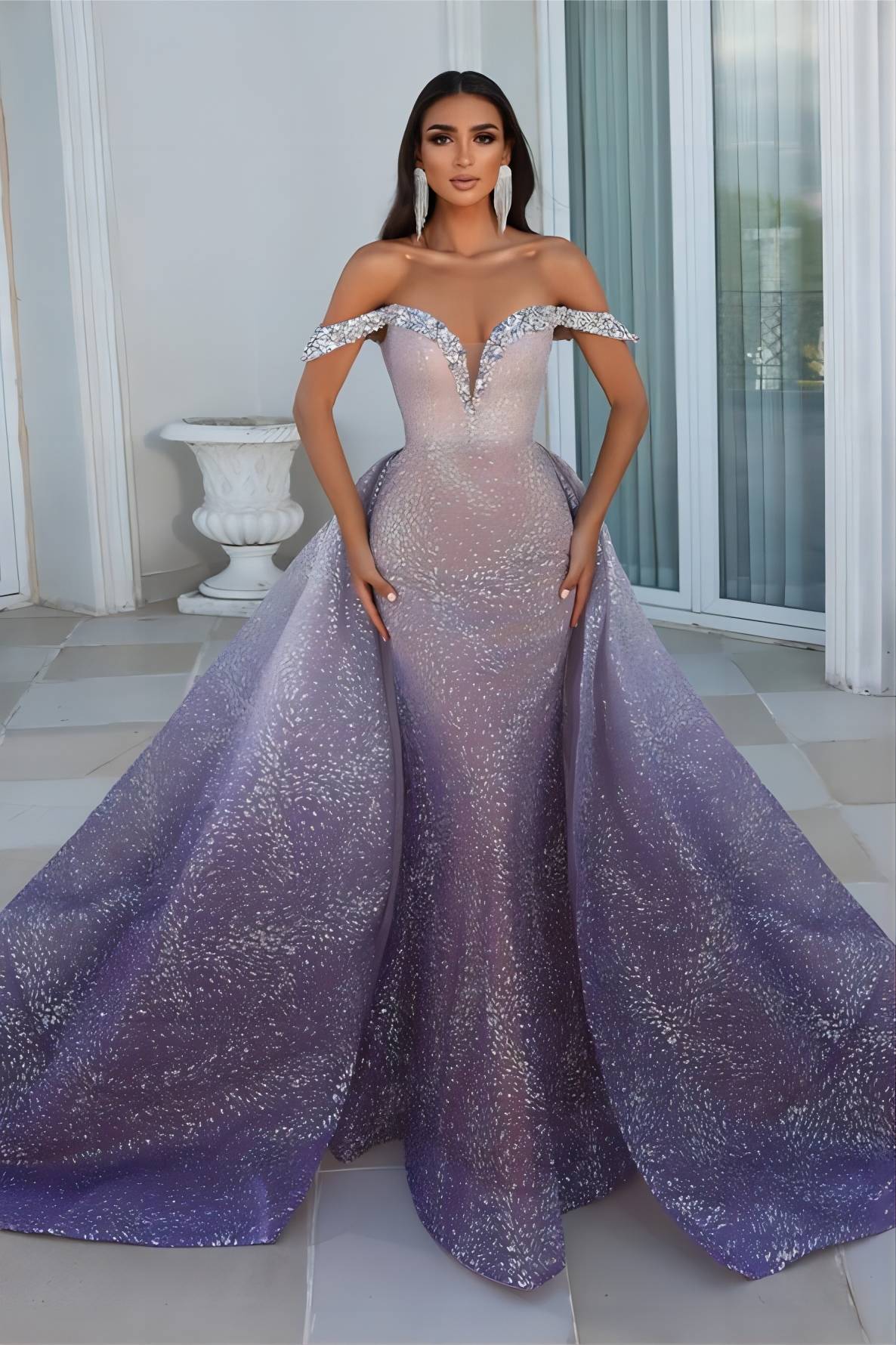
These categories represent the pinnacle of glamour and sophistication. Cocktail dresses are typically knee-length or midi, designed for semi-formal events. Evening gowns, on the other hand, are floor-length, opulent creations for black-tie affairs, galas, and red carpets. They often feature luxurious fabrics, intricate embellishments, and dramatic silhouettes, showcasing the designer’s ability to craft truly breathtaking dresses for fashion designing.
Bridal and Formal Gowns: Dreams Woven in Fabric
Bridal gowns are perhaps the most emotionally charged of all dresses, symbolizing a momentous occasion. Designers in this niche create dream-like garments, often employing delicate laces, intricate beadwork, and flowing silks. Similarly, formal gowns for proms, pageants, and other significant events demand meticulous attention to detail and a flair for creating unforgettable designs.
Sustainable and Ethical Dress Design: A Modern Imperative
In an era of increasing environmental awareness, sustainable fashion has become a critical aspect of dress design. Designers are exploring eco-friendly materials, ethical production practices, upcycling, and zero-waste pattern cutting to create beautiful dresses for fashion designing that also respect the planet and its people. This shift reflects a growing demand for transparency and responsibility in the fashion industry.
Technology’s Impact on Dresses for Fashion Designing
Technology has revolutionized the fashion industry, offering designers unprecedented tools for creativity, efficiency, and innovation.
CAD Software: Revolutionizing Design and Visualization
Computer-Aided Design (CAD) software, such as Adobe Illustrator and Photoshop, or specialized fashion design software like CLO3D and Optitex, allows designers to create digital sketches, technical flats, and even realistic 3D renderings of their dresses for fashion designing. This speeds up the design process, facilitates easy modifications, and helps visualize designs before physical prototypes are made.
3D Prototyping: Efficiency and Innovation
Advanced 3D design software enables designers to create virtual prototypes that can be "fitted" on digital avatars. This significantly reduces the need for multiple physical samples, saving time, materials, and costs. It also allows for rapid iteration and experimentation with different fabrics, colors, and details, pushing the boundaries of what’s possible in dress design.
Digital Printing: Unlimited Creative Possibilities
Digital textile printing has opened up a world of creative possibilities for prints and patterns. Designers can create highly intricate, vibrant, and customized designs that can be printed directly onto fabric with incredible precision. This technology supports smaller production runs and personalized designs, making unique dresses for fashion designing more accessible.
Building a Career: Mastering Dresses for Fashion Designing
For those passionate about creating dresses, a career in fashion design can be incredibly rewarding. However, it requires dedication, skill, and a strategic approach.
Education and Skill Development
Formal education from a reputable fashion school provides a strong foundation in design principles, garment construction, pattern making, fashion history, and business. Practical skills like sewing, sketching, and draping are invaluable. Continuous learning, through workshops and online courses, is also essential to stay updated with trends and technologies.
Developing a Strong Portfolio
A compelling portfolio showcasing a diverse range of dresses for fashion designing is crucial for securing jobs or clients. It should highlight creativity, technical skills, and a unique design aesthetic. Include sketches, technical flats, fabric swatches, and photographs of finished garments.
Understanding Market Trends and Consumer Needs
Successful designers don’t just create beautiful dresses; they create desirable ones. This involves understanding market trends, consumer demographics, and the commercial viability of their designs. Researching current fashion cycles, attending trade shows, and analyzing sales data are all part of this strategic approach.
People Also Ask (PAA) – Bing Insights into Dresses for Fashion Designing
Here are some common questions people ask about dresses in the context of fashion design:
Q1: What is the role of a dress in fashion design?
A dress serves as a fundamental and often central garment in fashion design, acting as a complete canvas for a designer’s vision. It allows for a cohesive exploration of silhouette, fabric, color, and embellishment within a single piece, making it a powerful statement and a key component of any collection. Dresses for fashion designing often define a designer’s aesthetic and demonstrate their mastery of form and function.
Q2: How do fashion designers create new dress styles?
Fashion designers create new dress styles through a multi-stage process: starting with inspiration and mood boards, translating ideas into sketches and technical flats, developing patterns through flat pattern making or draping, creating prototypes for fittings and adjustments, and finally, refining the design for production. They constantly research trends, experiment with new materials, and reinterpret classic forms to innovate.
Q3: What are the essential elements of dress design?
The essential elements of dress design include: silhouette (the overall shape), fabric selection (material, drape, texture), color and print (mood, visual interest), details and embellishments (trims, embroidery, cut-outs), and construction (how the garment is put together for fit and durability). Mastering these elements is crucial for creating successful dresses for fashion designing.
Q4: What software do fashion designers use for dresses?
Fashion designers commonly use software like Adobe Illustrator and Photoshop for 2D sketching, technical flats, and mood board creation. For 3D design and virtual prototyping of dresses, specialized software such as CLO3D, Marvelous Designer, and Optitex are widely used. These tools enhance efficiency, visualization, and collaboration in the design process.
Q5: How can I get started in dress design as a beginner?
As a beginner, you can start by learning basic sewing skills, sketching, and understanding fundamental design principles (color theory, silhouettes). Experiment with draping fabric on a mannequin or even yourself. Study fashion history and current trends. Consider taking introductory courses, building a portfolio of your work, and practicing regularly to develop your unique style in creating dresses for fashion designing.
Conclusion
The world of dresses for fashion designing is a vibrant, ever-evolving landscape where creativity knows no bounds. From the initial spark of inspiration to the final stitch, each dress represents a journey of artistic vision, technical skill, and passionate dedication. Dresses are more than just garments; they are cultural touchstones, personal statements, and powerful vehicles for self-expression.
For aspiring designers, mastering the art of dress design is a crucial step towards building a successful and fulfilling career. It challenges you to think critically, innovate constantly, and understand the intricate relationship between fabric, form, and the human body. So, whether you dream of haute couture masterpieces or everyday elegance, embrace the boundless possibilities that dresses for fashion designing offer. Dive in, experiment, and let your creativity flow – the world is waiting for your next stunning creation!
Share your favorite dress design tip or an inspiring dress you’ve seen in the comments below!
FAQ Section
Q1: What’s the difference between haute couture and ready-to-wear dresses?
A1: Haute couture dresses are custom-made, one-of-a-kind garments, meticulously hand-crafted for individual clients, often requiring hundreds of hours of labor. Ready-to-wear (prêt-à-porter) dresses are mass-produced in standard sizes, designed for commercial sale, and are more accessible to the general public.
Q2: How important is fabric choice in dress design?
A2: Fabric choice is critically important. It dictates the dress’s drape, texture, comfort, durability, and overall aesthetic. The right fabric can elevate a design, while the wrong one can completely undermine it, affecting how the dress looks and feels on the wearer.
Q3: Can I design dresses without formal training?
A3: Yes, absolutely! While formal training provides structured learning, many successful designers are self-taught. Passion, practice, continuous learning, and developing a strong portfolio are key. Online resources, workshops, and mentorship can also be invaluable.
Q4: What are some current trends in dress design?
A4: Current trends often include a mix of classic and contemporary. Popular trends might involve sustainable materials, oversized silhouettes, vibrant dopamine colors, cut-outs, slip dresses, and versatile transitional pieces that can be dressed up or down. Trends are cyclical, so vintage influences are also common.
Q5: How do designers ensure their dresses are unique?
A5: Designers ensure uniqueness by developing a distinct personal aesthetic, drawing inspiration from unconventional sources, experimenting with innovative fabric combinations, employing unique embellishments, and pushing boundaries with silhouette and construction techniques. Strong research and a clear vision for their dresses for fashion designing are also vital.