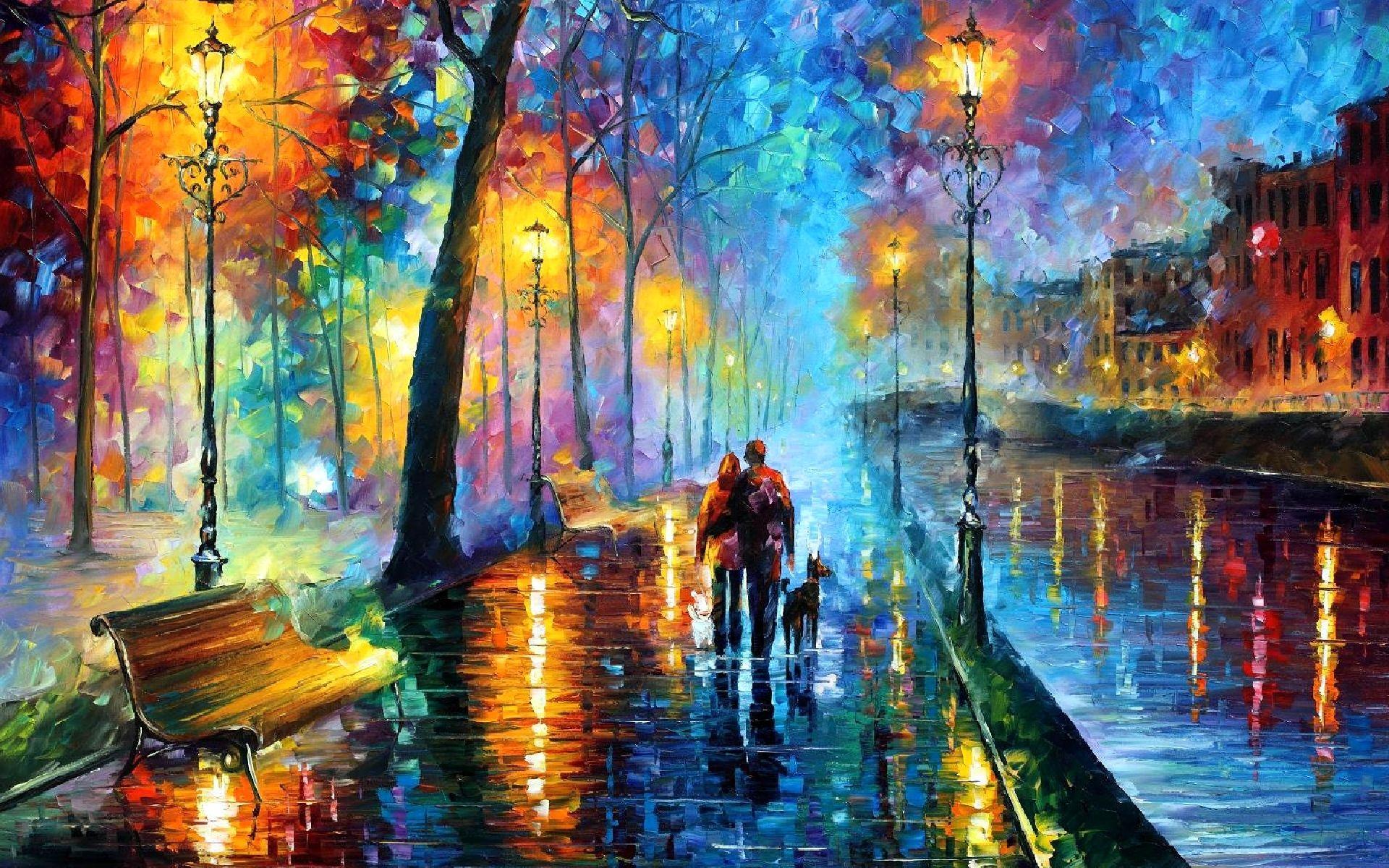
Are you an aspiring artist, designer, or creative visionary dreaming of a future where your passion becomes your profession? Look no further than the vibrant and diverse landscape of art school New York State. From the bustling cultural mecca of New York City to the serene, inspiring settings of upstate campuses, New York offers an unparalleled array of opportunities for artistic education and growth. Choosing an art school New York State isn’t just about earning a degree; it’s about immersing yourself in a world where innovation thrives, connections are forged, and your unique artistic voice is celebrated and honed. This comprehensive guide will illuminate why New York is the ultimate destination for unlocking your creative potential, providing insights into its top institutions, application processes, and the vibrant life that awaits art students in the Empire State.
Why Choose an Art School in New York State? A Canvas of Opportunity
The decision to pursue an art education is significant, and where you choose to study can profoundly impact your artistic journey and future career. For many, an art school New York State represents the pinnacle of creative education, offering a unique blend of academic rigor, industry exposure, and cultural immersion.
The Empire State Advantage: Diverse Artistic Hubs
New York State is a microcosm of artistic diversity. New York City, undoubtedly the global epicenter of art, fashion, design, and media, offers an electric environment where galleries, museums, design studios, and performance venues are on every corner. Schools here provide direct access to industry leaders, internships, and an endless stream of inspiration. But the artistic tapestry extends far beyond the five boroughs. Upstate New York boasts its own distinct creative communities, with schools nestled in picturesque landscapes, fostering a different kind of focus and creativity. These regions offer unique specializations, from glass art in Corning to design and technology in Rochester, providing a rich alternative to the urban intensity. An art school New York State provides options for every preference, whether you crave the urban pulse or a more contemplative setting.
Unparalleled Networking and Industry Connections
One of the most significant advantages of attending an art school New York State is the sheer density of creative professionals and industries. Your professors are often active artists, designers, and critics, bringing real-world experience and connections directly into the classroom. Furthermore, the proximity to major art markets, design firms, fashion houses, film studios, and advertising agencies means abundant internship opportunities and invaluable networking events. These connections are not just beneficial for landing your first job; they are crucial for building a sustainable career in the arts. Alumni networks from New York art schools are vast and influential, opening doors long after graduation.
Rich Cultural Tapestry and Inspiration
New York State is a living, breathing museum and gallery. Students at an art school New York State have unparalleled access to some of the world’s most renowned cultural institutions, including the Metropolitan Museum of Art, MoMA, the Guggenheim, the Whitney, and countless independent galleries. Beyond visual arts, New York is a hub for theater, music, dance, and film, providing endless sources of inspiration and cross-disciplinary learning. This constant exposure to diverse forms of artistic expression and cultural narratives fuels creativity, broadens perspectives, and enriches the educational experience.
Navigating the Diverse Landscape of Art Education in NY
The array of choices when considering an art school New York State can be exciting yet daunting. Understanding the types of institutions and programs available is the first step in finding your perfect fit.
Top-Tier Institutions: From Urban Powerhouses to Rural Retreats
New York is home to some of the most prestigious art and design schools in the world.
- Pratt Institute (Brooklyn, NYC): Renowned for architecture, industrial design, fashion, and fine arts.
- School of Visual Arts (SVA) (Manhattan, NYC): A leader in advertising, animation, film, illustration, and fine arts.
- Fashion Institute of Technology (FIT) (Manhattan, NYC): A public institution specializing in fashion design, business, marketing, and related creative industries.
- The Cooper Union for the Advancement of Science and Art (Manhattan, NYC): Highly selective, offering full-tuition scholarships for its programs in art, architecture, and engineering.
- Alfred University (Alfred, NY): Particularly strong in ceramic art and glass, offering a unique, more rural campus experience.
- Rochester Institute of Technology (RIT) (Rochester, NY): Excellent for photography, graphic design, industrial design, and imaging science, with a strong emphasis on technology.
- Syracuse University (Syracuse, NY): Offers comprehensive programs across fine arts, design, and visual communications within a larger university setting.
- SUNY Schools: Various State University of New York campuses, such as SUNY New Paltz and SUNY Purchase, offer robust and affordable art programs across diverse disciplines.
Each art school New York State has its own unique culture, strengths, and specializations, making it crucial to research which environment aligns best with your artistic goals and personality.
Specialized Programs for Every Artistic Passion
Whether your passion lies in traditional mediums or cutting-edge digital art, an art school New York State offers programs to cultivate every talent:
- Fine Arts: Painting, sculpture, drawing, printmaking.
- Design: Graphic design, industrial design, fashion design, interior design, textile design.
- Digital Media: Animation, game design, web design, motion graphics, digital illustration.
- Photography and Film: Cinematography, documentary filmmaking, fine art photography, photojournalism.
- Performing Arts: Dance, drama, music (often found in conservatories or university departments).
- Art History and Theory: Critical studies, art criticism, curatorial studies.
- Art Therapy, Art Education, Arts Management: Programs that combine artistic practice with other professional fields.
BFA vs. MFA: Charting Your Academic Path
Understanding the different degree types is vital.
- Bachelor of Fine Arts (BFA): This undergraduate degree is typically a four-year program with a strong emphasis on studio practice and artistic development. It’s ideal for students who want to focus intensely on their art.
- Bachelor of Arts (BA): Often housed within a liberal arts college, a BA in art provides a broader education, combining art studies with other academic disciplines. It’s suitable for those who want a more well-rounded education or are considering careers that blend art with other fields.
- Master of Fine Arts (MFA): A graduate degree, usually two to three years, designed for advanced artists seeking to refine their practice, develop a strong body of work, and potentially teach at the university level.
The Application Journey: Crafting Your Artistic Story
Gaining admission to an art school New York State is a competitive process that requires careful preparation and a compelling presentation of your artistic vision.
The All-Important Portfolio: Showcasing Your Vision
Your portfolio is arguably the most critical component of your application. It’s a curated collection of your best work, demonstrating your technical skills, creative potential, and unique artistic voice. Most schools look for:
- Variety: Showcasing different mediums, subjects, and approaches.
- Observational Skills: Drawings from life, still lifes, figure studies.
- Conceptual Thinking: Projects that demonstrate problem-solving and original ideas.
- Passion and Potential: Evidence of your dedication and willingness to explore.
Many schools use platforms like SlideRoom for digital portfolio submissions, and some may require physical portfolios or interviews.
Academic Requirements and Standardized Tests
While the portfolio is paramount, academic performance still matters. Most art school New York State institutions require high school transcripts, and some may ask for SAT or ACT scores, though many are becoming test-optional. A strong GPA demonstrates your ability to handle academic rigor alongside your studio work.
Personal Statements and Letters of Recommendation
Your personal statement is your opportunity to tell your story, explain your artistic inspirations, career aspirations, and why you believe a particular art school New York State is the right fit for you. Letters of recommendation from art teachers or mentors can provide valuable insights into your character, work ethic, and artistic potential.
Deadlines and Early Action Considerations
Application deadlines vary, but many top schools have early action or early decision options, typically in the fall, with regular decision deadlines in winter. Researching specific school deadlines well in advance is crucial to ensure you have ample time to prepare your portfolio and application materials.
Funding Your Artistic Dreams: Scholarships and Financial Aid
The cost of an art education, especially in New York, can be a concern. However, numerous avenues exist to make an art school New York State financially accessible.
Institutional Scholarships and Merit Awards
Many art schools offer their own scholarships based on artistic merit, academic achievement, or a combination of both. These can range from partial tuition waivers to full-ride scholarships. Often, your portfolio submission serves as your application for merit-based aid.
State and Federal Aid Programs
Students can apply for federal financial aid through the Free Application for Federal Student Aid (FAFSA), which determines eligibility for grants, federal student loans, and work-study programs. New York State also offers its own financial aid programs, such as the Tuition Assistance Program (TAP) for eligible residents.
Exploring Private Scholarships and Grants
Beyond institutional and governmental aid, a wealth of private scholarships and grants are available from foundations, organizations, and individuals dedicated to supporting aspiring artists. Websites like Fastweb, Scholarship.com, and specific art-focused foundations can be valuable resources.
Life as an Art Student in New York: Beyond the Studio
Attending an art school New York State is more than just classes; it’s an immersive lifestyle that fosters personal and artistic growth.
Immersive Campus Life and Student Organizations
Whether you’re in a bustling urban campus or a more traditional college setting, art schools offer a vibrant student life. You’ll find clubs, organizations, and events centered around various artistic disciplines, social causes, and cultural interests. Collaborating with peers on projects, attending student exhibitions, and engaging in campus events enriches your overall experience.
Access to World-Class Museums and Galleries
As mentioned, the cultural riches of New York are a constant source of inspiration. Art students regularly visit museums, attend gallery openings, and engage with the contemporary art scene. This direct exposure to art history and current trends is an invaluable part of the curriculum and a powerful motivator.
Internships and Real-World Experience
New York’s dense creative industries mean abundant opportunities for internships. Whether it’s assisting a fashion designer, working in a gallery, interning at an animation studio, or helping with a film production, these experiences provide practical skills, industry insights, and crucial resume-building opportunities.
Post-Graduation Pathways: Launching Your Creative Career
Graduating from an art school New York State opens doors to a vast array of creative careers, not just as a "starving artist."
The Value of an Art Degree in Today’s Creative Economy
In an increasingly visual and experience-driven world, the skills honed in art school – critical thinking, problem-solving, visual communication, innovation, and adaptability – are highly sought after. Graduates are equipped not only to create art but also to apply creative solutions across diverse industries.
Alumni Networks and Career Services Support
New York art schools pride themselves on robust alumni networks. These connections can be instrumental in finding mentorship, job opportunities, and collaborative projects. Career services departments offer resume workshops, portfolio reviews, interview coaching, and job placement assistance, helping graduates transition from student to professional.
Diverse Career Opportunities for Art Graduates
The career paths for art school graduates are incredibly varied:
- Fine Artist: Painter, sculptor, photographer, printmaker, installation artist.
- Designer: Graphic designer, web designer, UX/UI designer, fashion designer, industrial designer, interior designer.
- Animator/Illustrator: For film, television, video games, publishing.
- Filmmaker/Photographer: Director, cinematographer, editor, photojournalist, commercial photographer.
- Art Educator: Teaching art in schools or community programs.
- Arts Administrator/Curator: Working in museums, galleries, or non-profit arts organizations.
- Art Therapist: Using art to help individuals heal and express themselves.
- Marketing/Advertising: Art director, creative director, visual merchandiser.
The skills you gain at an art school New York State are transferable and valuable across numerous sectors, ensuring a dynamic and fulfilling career.
People Also Ask (PAA) about Art School New York State
Q1: What are the best art schools in New York State?
A1: Some of the most highly regarded art schools in New York State include Pratt Institute, School of Visual Arts (SVA), Fashion Institute of Technology (FIT), The Cooper Union, Alfred University, Rochester Institute of Technology (RIT), and Syracuse University. The "best" school often depends on your specific artistic discipline and desired learning environment.
Q2: How much does art school cost in New York?
A2: Tuition costs for an art school New York State vary widely. Public universities like SUNY schools generally have lower in-state tuition (e.g., $7,000-$10,000 annually for tuition), while private institutions can range from $30,000 to over $50,000 per year, not including living expenses, which are particularly high in NYC. Financial aid and scholarships are widely available to help offset these costs.
Q3: Do you need a portfolio to get into art school in NY?
A3: Yes, a strong portfolio is almost always a mandatory and critical component for admission to an art school New York State. It allows admissions committees to assess your artistic skills, creative potential, and unique vision. Requirements for portfolio content and submission methods vary by school and program.
Q4: What types of art programs are available in NY?
A4: New York art schools offer an extensive range of programs, including fine arts (painting, sculpture, drawing), various design fields (graphic, fashion, industrial, interior), digital media (animation, game design), photography, film, illustration, art history, art education, and arts management. Many schools also offer interdisciplinary studies.
Q5: Is an art degree from a New York school worth it?
A5: For many, an art degree from a New York school is incredibly valuable. The state offers unparalleled access to industry connections, world-class cultural institutions, diverse artistic communities, and a high concentration of creative industries. The rigorous education and networking opportunities can significantly boost career prospects in the competitive creative fields.
Frequently Asked Questions (FAQ)
Q1: What’s the difference between a BFA and a BA in art?
A1: A Bachelor of Fine Arts (BFA) is a professional degree focused heavily on studio practice and artistic development, with fewer general education requirements. A Bachelor of Arts (BA) in art is a liberal arts degree, offering a broader education with art as a major, often combined with other academic subjects.
Q2: Can I get financial aid for art school?
A2: Absolutely. Most art schools offer a combination of institutional scholarships (merit-based, need-based), federal aid (FAFSA), state aid (for NY residents), and private scholarships. It’s highly recommended to apply for all eligible aid.
Q3: Is it harder to get into art school in NYC vs. upstate NY?
A3: Generally, art schools in New York City tend to be more competitive due to their global reputation and location. However, admission difficulty ultimately depends on the specific program, your portfolio quality, and the applicant pool for any given year, whether urban or upstate.
Q4: What should I include in my art school portfolio?
A4: A strong portfolio typically includes 10-20 pieces showcasing your best work, demonstrating technical skill, creativity, and potential. It should feature a variety of mediums (drawing, painting, sculpture, digital art) and subjects (observational studies, conceptual pieces). Always check specific school requirements.
Q5: Are there opportunities for part-time art study?
A5: Yes, many art schools and community colleges in New York State offer part-time degree programs, certificate programs, or continuing education courses for those who cannot commit to full-time study. This allows individuals to pursue artistic development while managing other commitments.
Choosing an art school New York State is an investment in your creative future, a decision that promises a journey filled with growth, inspiration, and unparalleled opportunities. From the iconic institutions of New York City to the specialized programs found across the state, the Empire State offers a vibrant and dynamic environment for aspiring artists to thrive. Embrace the challenge, hone your craft, and prepare to unlock your true artistic potential in a place where creativity knows no bounds. If you’re ready to transform your passion into a profession, an art school New York State awaits your unique vision. Share your artistic dreams with us in the comments below, or tell us which New York art school you’re considering!